Brand video content is everywhere in 2026, and much of it underperforms. The content gets made, gets posted, and gets ignored. A common root cause is that format, storytelling, and distribution are treated as three separate decisions instead of one integrated strategy. When those three elements aren’t aligned from the start, even a technically polished video disappears into the feed without a trace.
This guide covers the full picture. You’ll learn how to pick the right format for each marketing objective, what production quality actually requires, how to estimate budgets and timelines realistically, and where to distribute for measurable return. Brands that consistently get results from video marketing treat the entire chain, from creative brief to multi-platform publication, as a single connected system rather than a handoff between vendors.
What separates effective brand video content from forgettable footage
Most branded videos fail not because of a small budget, but because they have no editorial point of view. They’re produced by committee, carry three competing messages, and give viewers no reason to keep watching past the first few seconds. The technical execution might be clean, but the video has nothing to say.
Why storytelling is the core mechanic, not the decoration
The most effective brand videos share one trait: a single emotional hook carried from the first frame to the last. Nike’s “So Win,” Starbucks’ “It Starts With You,” and Volkswagen’s “The Force” all succeed because they commit fully to one idea and let that idea do the work. Brand storytelling video works because it gives viewers a reason to keep watching. Without a clear narrative arc, the viewer has no reason to stay.
The difference between a brand message and a brand story
A brand message is what a company wants to say. A brand story is what a viewer will feel. Strong branded video translates a value proposition into a human scenario the audience can recognize themselves in. That’s what editorial direction does: it shapes raw messaging into a visual narrative with structure, pacing, and emotional payoff. Without it, you get a features list dressed up as a video.
Matching the right video format to your marketing objective
Not every format works at every funnel stage. Putting a testimonial in front of a cold audience, or leading a high-intent conversion campaign with a cinematic brand film, are both format mismatches that burn budget without moving the needle.
Awareness formats: brand films, launch videos, and short emotional ads
At the top of the funnel, the job is recognition and recall. Brand films and origin stories build identity over time. Short emotional video ads on social platforms build reach quickly. Launch videos anchor a new product or campaign in the market. All three prioritize feeling over function, and the metric that matters is memorability, not runtime.
Consideration formats: explainers, demos, and testimonials
Once an audience knows a brand exists, they need proof and education. Product explainer videos show how something works. Demo videos make abstract features concrete. Customer testimonials reduce uncertainty by putting real voices behind the brand promise. This is where branded content earns the trust that awareness campaigns alone cannot build.
Conversion formats: case studies, direct-response videos, and live demos
High-intent audiences need specificity, not inspiration. A well-produced case study video shows measurable outcomes, not just satisfied customers. Direct-response ads include a clear CTA and remove friction from the decision. At this stage, social proof and concrete results carry more weight than cinematic production value.
The production standards that make branded video perform across platforms
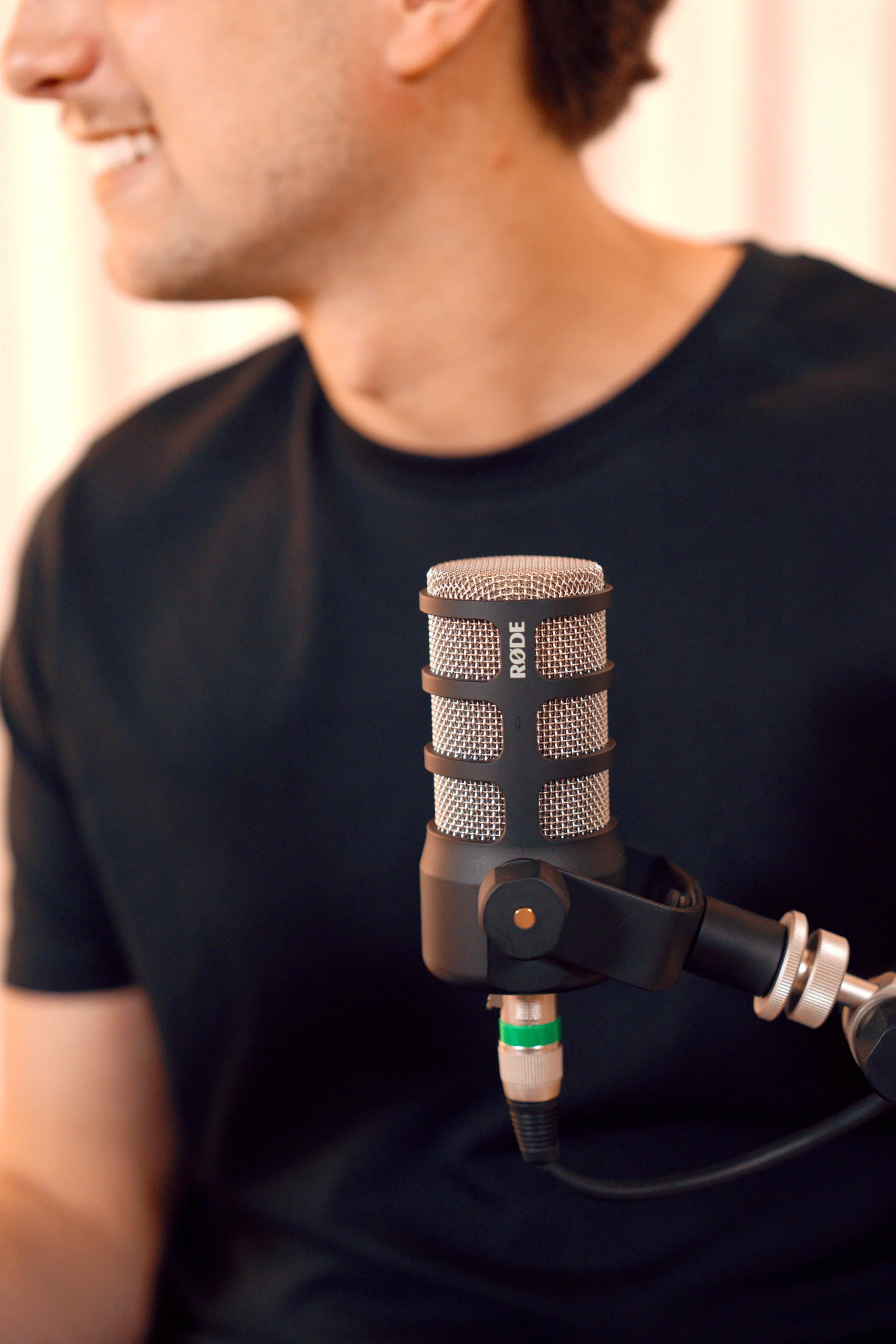
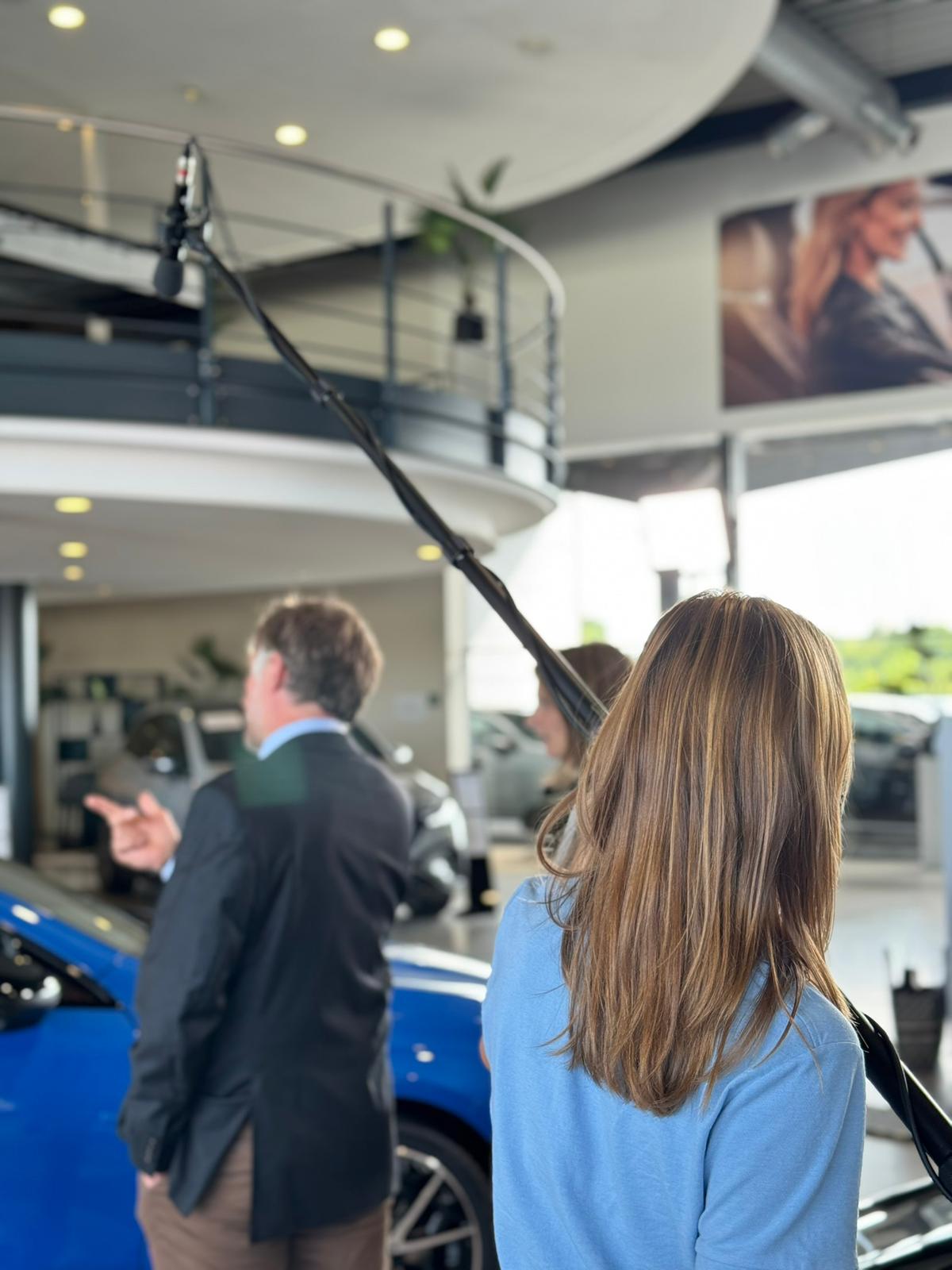
Production quality is not synonymous with a large crew or an expensive camera. It means broadcast-ready audio, clean lighting that serves the story, and an edit that respects the viewer’s attention span. Poor audio quality markedly reduces completion rates and perceived production value, regardless of how strong the visuals look.
What “production quality” actually means in practice
Color grading, sound engineering, and pacing are the three production pillars that determine whether a video looks credible or amateurish. Each one is a craft decision that has to be made deliberately, not improvised in post. A video shot on professional equipment with poor sound mixing will reliably underperform a simpler production where the audio is clean and the edit is tight.
How editorial direction and studio capability work together
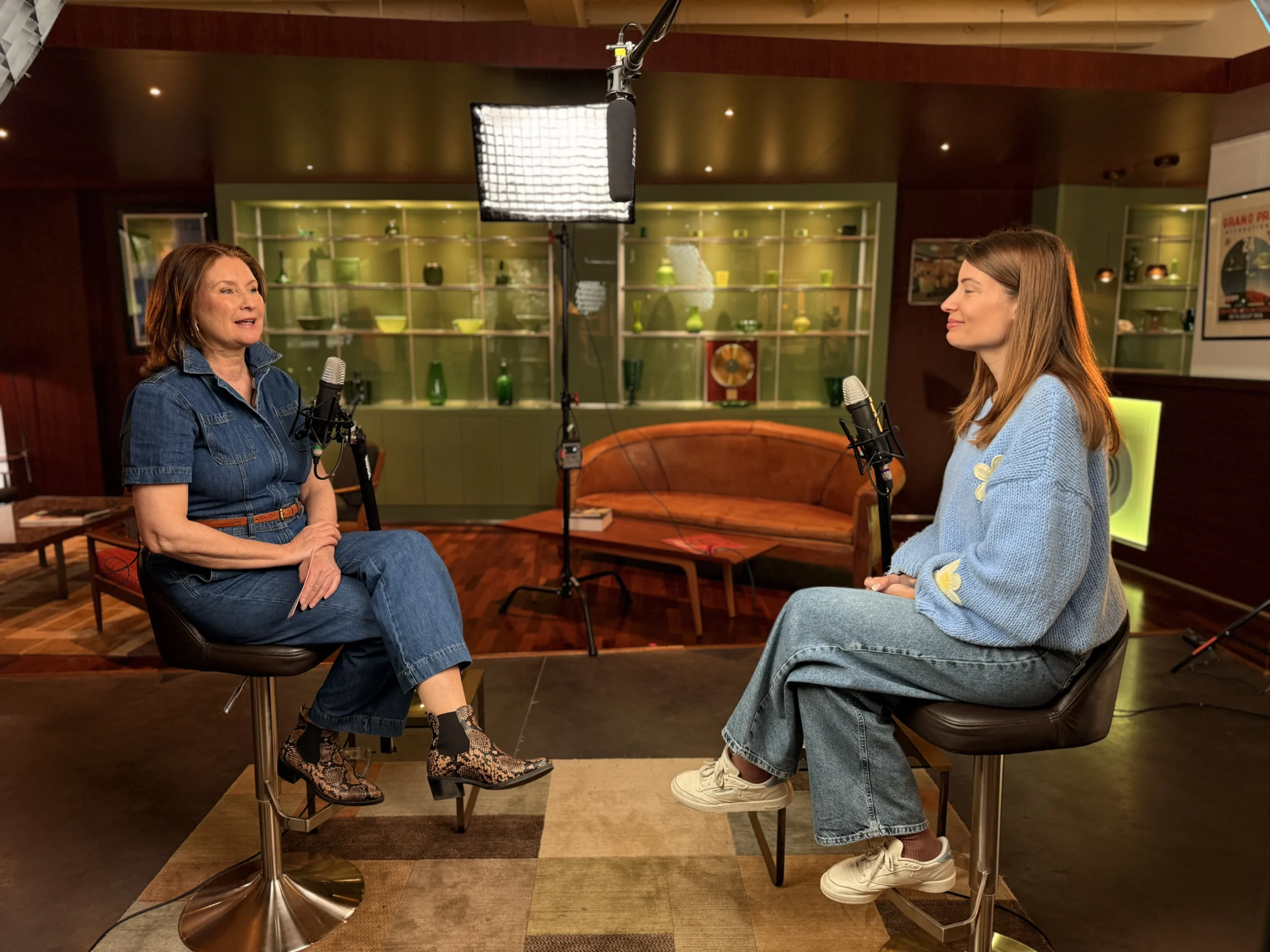
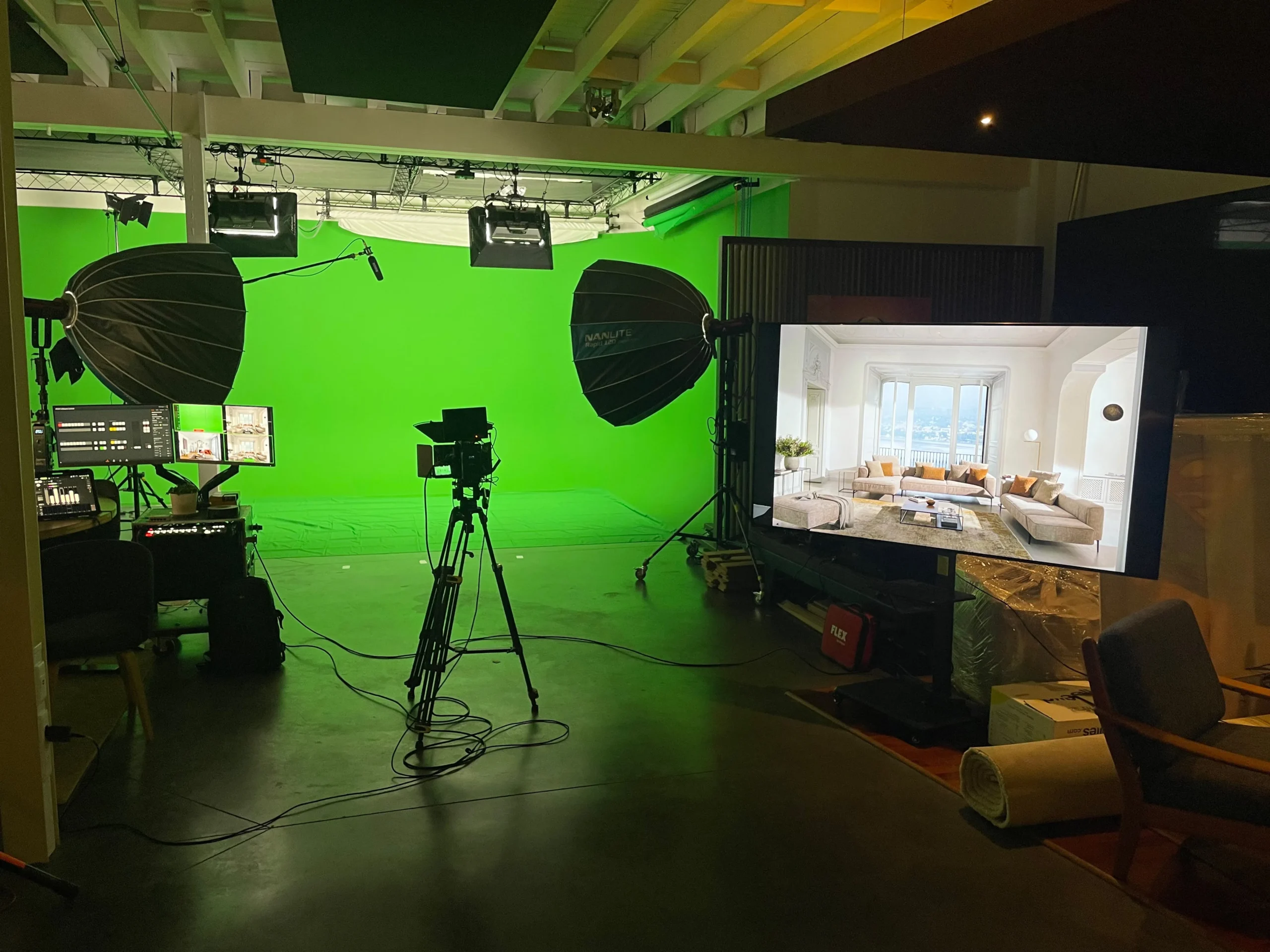
This is where the gap between a one-off shoot and a genuine content production partnership becomes visible. At StreamBox, editorial direction runs from the initial brief through final delivery, an integrated model that keeps the brand’s voice consistent from script to screen. Decisions made in pre-production about narrative structure, pacing, and visual tone translate directly into footage that’s platform-ready from the start, rather than footage that needs heavy remediation in post.
When a single production partner manages the full chain, the brand’s voice stays consistent from script to delivery. That coherence is what separates content that builds cumulative brand equity from content that looks slightly different every time it appears.
Realistic budgets and timelines for common branded video types
Budget conversations often stall because clients come in with DIY reference points that don’t reflect what professional production actually costs. Here are realistic ranges for agency-level work in 2026.
- 30-second social ad: $3,000, $15,000 for polished digital work; campaign-level production with VFX, casting, and multiple locations can reach $50,000.
- 60, 90-second brand film: $5,000, $50,000 depending on locations, talent, and finishing requirements.
- Product explainer video: $3,000, $15,000 for custom scripting and motion graphics; complex character animation pushes higher.
- Case study video: $4,000, $20,000 for a professional interview-and-b-roll format with graphics and revisions.
Cost is driven by production complexity, not runtime. A 30-second spot with VFX, a cast, and multiple locations can cost significantly more than a 90-second interview-style brand film shot in a single day. That’s a distinction worth clarifying early in any budget conversation.
Typical timelines and what drives them longer
Most professional branded videos require 3, 8 weeks end to end. The variables that stretch timelines are stakeholder approval cycles, multi-location shoots, custom animation, and revision rounds that weren’t scoped at the outset. Planning distribution requirements from the start, including aspect ratios and lengths per platform, prevents a second round of post-production after delivery. That planning step alone can save a week of back-and-forth.
Where to distribute brand video content by platform and objective
Each platform rewards different video behaviors in 2026. Distributing the same file uniformly across all channels is not a strategy; it’s a shortcut that consistently underperforms against platform-native content.
Platform strengths by objective
YouTube is the strongest channel for evergreen discovery and SEO. Long-form brand content performs well with searchable titles and optimized descriptions. Both 60, 90-second brand films and educational cuts in the 8, 12-minute range have a natural home here.
TikTok delivers the best short-form awareness and algorithm-driven reach. Clips under 60 seconds in vertical format with native-style hooks consistently outperform polished broadcast-style ads on this platform.
Instagram Reels drives strong engagement for consumer-facing brands. Short Reels generate reach, while longer Reels can carry deeper brand storytelling for warmer audiences.
LinkedIn is the top channel for B2B brand video and corporate video content: short clips under 60 seconds for reach, longer educational cuts for thought leadership and demand generation.
The pillar-and-slice distribution model
Produce one long-form brand video as the pillar asset, then cut it into platform-specific short clips for YouTube Shorts, TikTok, Reels, and LinkedIn. This approach multiplies content output from a single shoot day while maintaining narrative consistency across every channel. Batch production makes this model cost-effective: shooting multiple formats in one session generates weeks of distribution-ready assets. A well-planned shoot can often yield enough platform-ready assets to sustain a full month of multi-platform distribution, substantially stretching the value of a single production day.
Measuring what brand video content actually delivers
View count is not a KPI. It’s a vanity metric that tells you nothing about whether the video moved anyone closer to a decision. Tie every metric to the objective the video was built to serve.
KPIs by funnel stage
For awareness, track reach, impressions, unique viewers, and play rate. For engagement, focus on watch time, average view duration, likes, comments, and shares. Retention metrics, specifically completion rate and the drop-off curve, tell you where viewers are exiting and whether the edit is holding attention. For conversion, track click-through rate, form fills, demo requests, and conversion rate tied to a specific action.
Benchmarks worth tracking against
Industry benchmarks for 2026 give directional targets: a good YouTube CTR runs 2, 5%; a solid engagement rate on Instagram and Facebook sits around 1, 3%; a direct-response conversion rate of 2, 5% is a reasonable baseline depending on the action being measured. These numbers set initial expectations, but your own historical performance is always the more useful comparison. Benchmark data calibrates starting assumptions; internal trend analysis shows whether your content is actually improving over time.
Bring it together before the first frame
Brand video content performs when format, production, and distribution are planned as one integrated strategy, not three decisions made at different points in the process. Awareness formats build recognition. Consideration formats build trust. Conversion formats drive action. Each requires a different creative approach, a different production scope, and a different distribution plan.
Production quality comes down to broadcast-ready audio, editorial clarity, and an edit built for the platform where the audience will actually watch it. Budget and timeline decisions become straightforward once you know the format, the objective, and the distribution plan upfront. The brands getting consistent returns from video content are the ones who treat production as a system, not an event.
If you’re ready to move from planning to production, get in touch with the StreamBox team. We handle brand video content from concept and script through filming, post-production, and multi-platform distribution, so you get one point of contact and a finished asset that’s built to perform from the first frame.