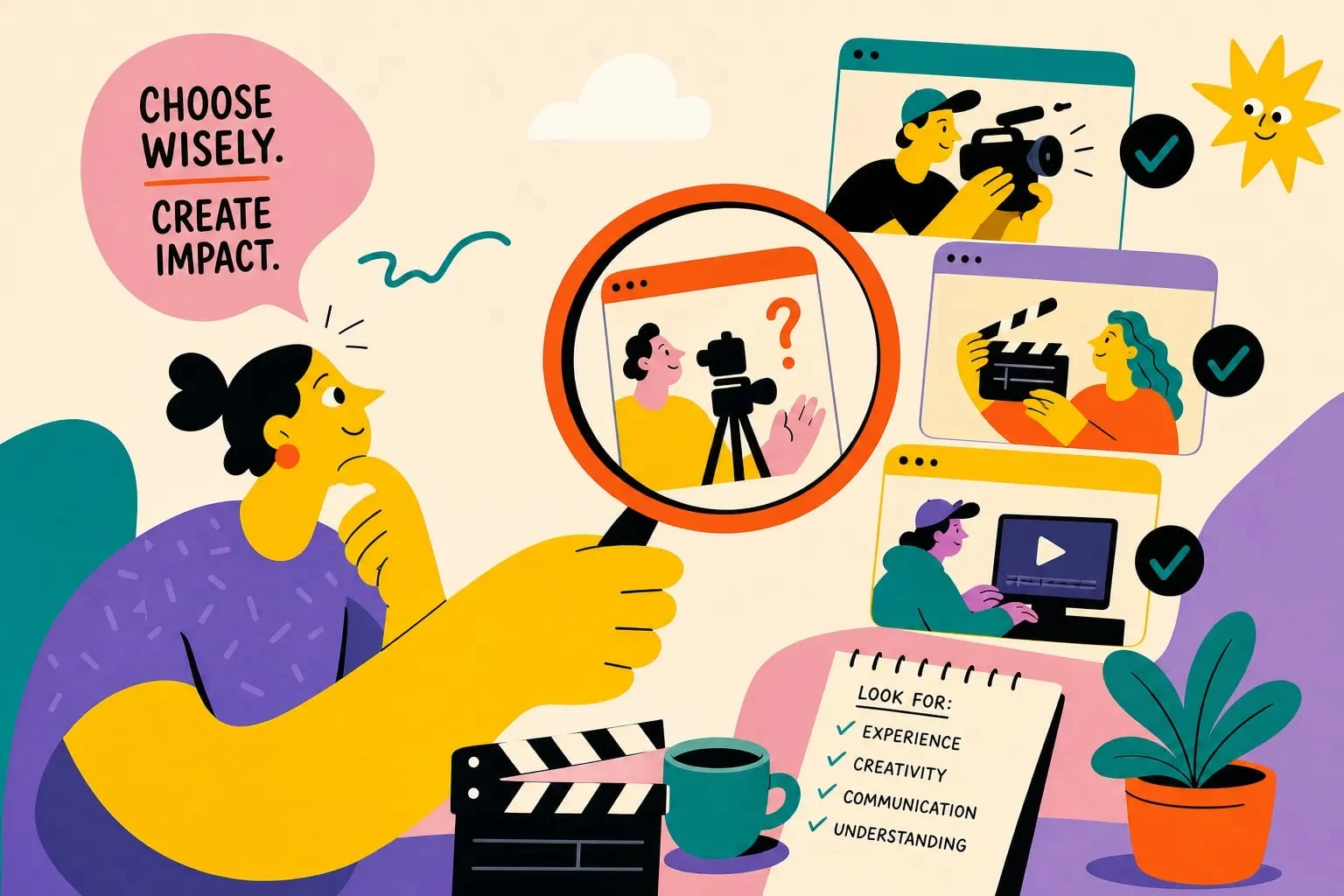
Most brands pick a video production partner the wrong way. They watch a polished showreel, feel impressed, sign a contract, then spend the next three months chasing a scriptwriter who isn’t on retainer, a colorist the agency “knows,” and a platform team that was never part of the original quote. By the time the final cut goes live, the marketing manager has aged visibly. Choosing the right video production partner up front avoids months of rework and the kind of scope creep that quietly doubles your budget.
This is a strategic decision, not a procurement checkbox. The right partner owns the entire pipeline: concept, scripting, filming, post-production, and publication under one roof. Some studios adopt this end-to-end model, where a client arrives with a brief and leaves with broadcast-ready content ready for every relevant platform. That’s the benchmark this guide uses. By the time you finish reading, you’ll know exactly how to evaluate creative fit, scope, timelines, pricing, contracts, and the questions that separate great partners from adequate ones.
Start with creative alignment: how to choose the right video production partner
The most expensive mistake in vendor selection is leading with budget before assessing creative fit. Teams that skip this step often end up with technically competent work that feels like it belongs to a different brand entirely. A production company that can’t translate your brand’s voice into a compelling story will deliver footage that impresses no one, including your own stakeholders. Price is irrelevant if the output doesn’t serve your audience.
Look beyond the showreel
Showreels are curated to impress. They highlight the strongest moments from many different projects and tell you almost nothing about the full editorial arc of any single one. Ask every potential video production partner to share two or three complete, uncut projects in a format similar to what you need. Watch for pacing, story structure, how they handle transitions without music masking weak cuts, and whether the storytelling actually serves the subject or just looks expensive.
If a partner hesitates to share full projects, that hesitation is worth noting. They may offer excerpts instead, or explain that files aren’t compressed for easy sharing, both of which suggest they’re steering you away from something. Genuine confidence in consistent work means there’s no need to cherry-pick the highlights.
How to assess brand and strategic fit
Before any camera rolls, a strong video production partner should be asking about your business objectives, your audience’s behavior, and the tone your brand needs to hold. If the first conversation is about equipment specs or shoot-day logistics, the partner is thinking technically, not strategically. The discovery conversation should feel like a brand briefing, not a production intake form. Ask how they’ve handled a brand with a similar tone or audience, and listen for whether they reference audience insight or just visual style.
Full production scope: what a video production partner must own
A full-service video production partner doesn’t hand off your project at the edit suite door. They own scripting, filming, post-production, sound engineering, multi-format delivery, and distribution under one roof, with one point of contact throughout. For busy marketing teams, this isn’t a luxury. It’s the difference between a content program that ships on schedule and one that stalls every time a vendor drops the handoff.
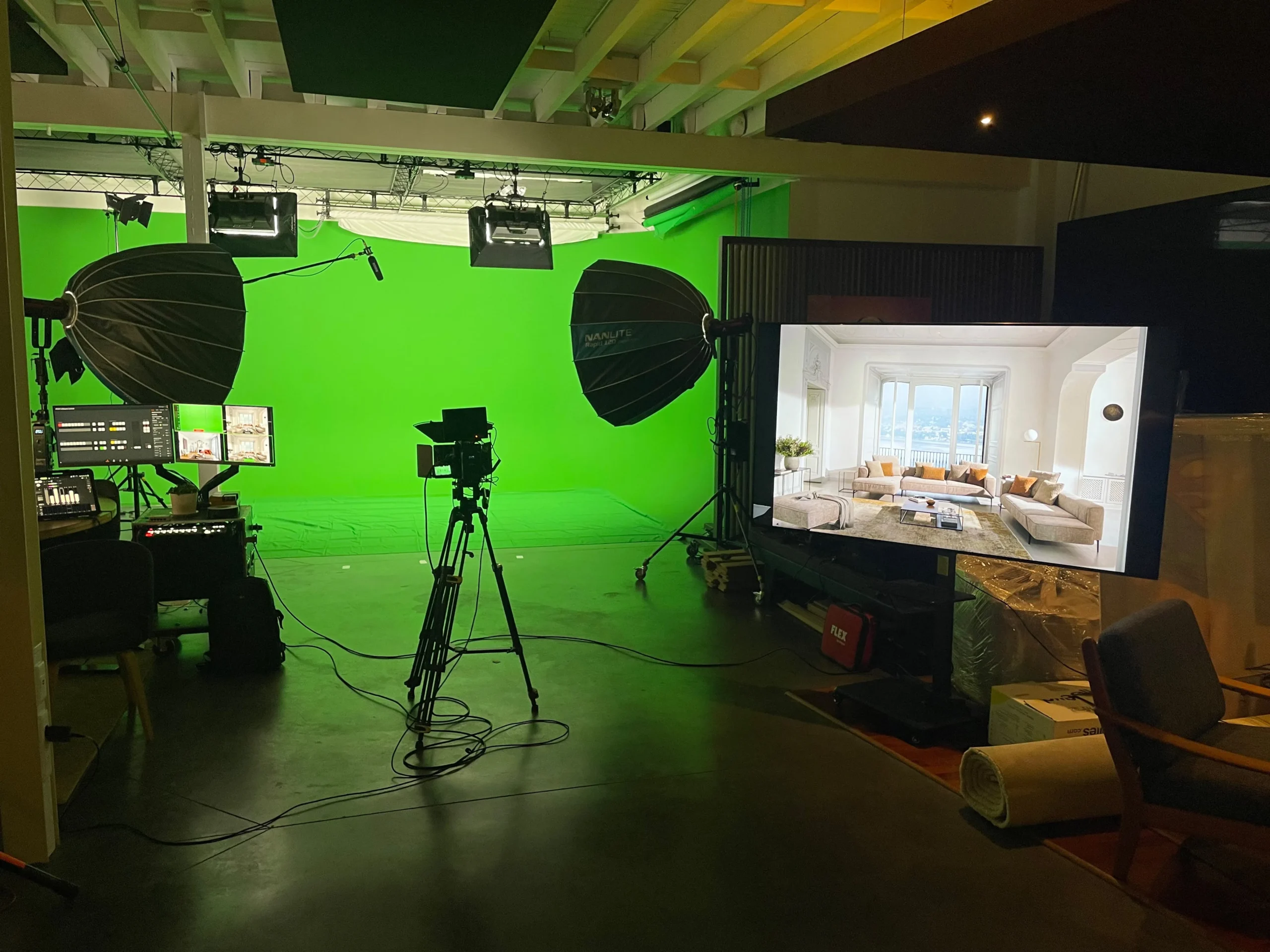
The StreamBox model is built around exactly this structure. One team handles the brief from start to delivery, no stitching together a pipeline from three separate vendors with misaligned timelines and competing priorities.
What post-production scope reveals about a partner
Post-production is where quality is won or lost. Ask directly: is editing done in-house? Who handles color grading, sound design, captions, and multi-format exports? When a video production company outsources post piecemeal, version control breaks down, quality becomes inconsistent, and timelines slip because you’re now managing someone else’s subcontractor relationships. A partner with genuine in-house capability can move from a rough assembly edit to a broadcast-ready deliverable without introducing external variables.
Distribution support and multi-platform formatting
A video production partner worth hiring doesn’t stop when the file is delivered. Platform-specific formatting matters: a 16:9 cut for YouTube, a vertical 9:16 for TikTok and Instagram Reels, a square format for LinkedIn, and a clean audio export for podcast platforms aren’t optional extras. They’re how the same shoot becomes weeks of content across multiple channels. Ask whether the partner handles optimization for YouTube and podcast platforms, metadata, thumbnails, chapter markers, and whether they can support publication directly or simply hand over files. The difference between a vendor and a strategic corporate video partner often lives in that answer.
Production timelines: expectations from a dependable video production partner
Timeline promises are easy to make and hard to keep. A partner who commits to a three-week commercial turnaround without asking about approvals, casting, or revision rounds is either optimistic or inexperienced. Knowing the realistic benchmarks gives you the leverage to pressure-test what you’re being told.
Commercial vs. social video: the timeline reality
Based on 2026 production benchmarks, a polished 30- to 60-second commercial realistically takes three to eight weeks end to end. Pre-production alone runs two to four weeks for concepting, scripting, casting, location work, and sign-offs. The shoot typically takes one to three days, and post-production adds another one to three weeks for editing, color, sound, graphics, and revision rounds.
A short-form social video operates on a different clock. Pre-production takes a few days, the shoot is a half-day to one day, and post wraps in three to seven days for a total of one to three weeks. The gap exists because commercials require broadcast-finishing standards, more complex logistics, and more approval layers.
How to pressure-test a partner’s turnaround claims
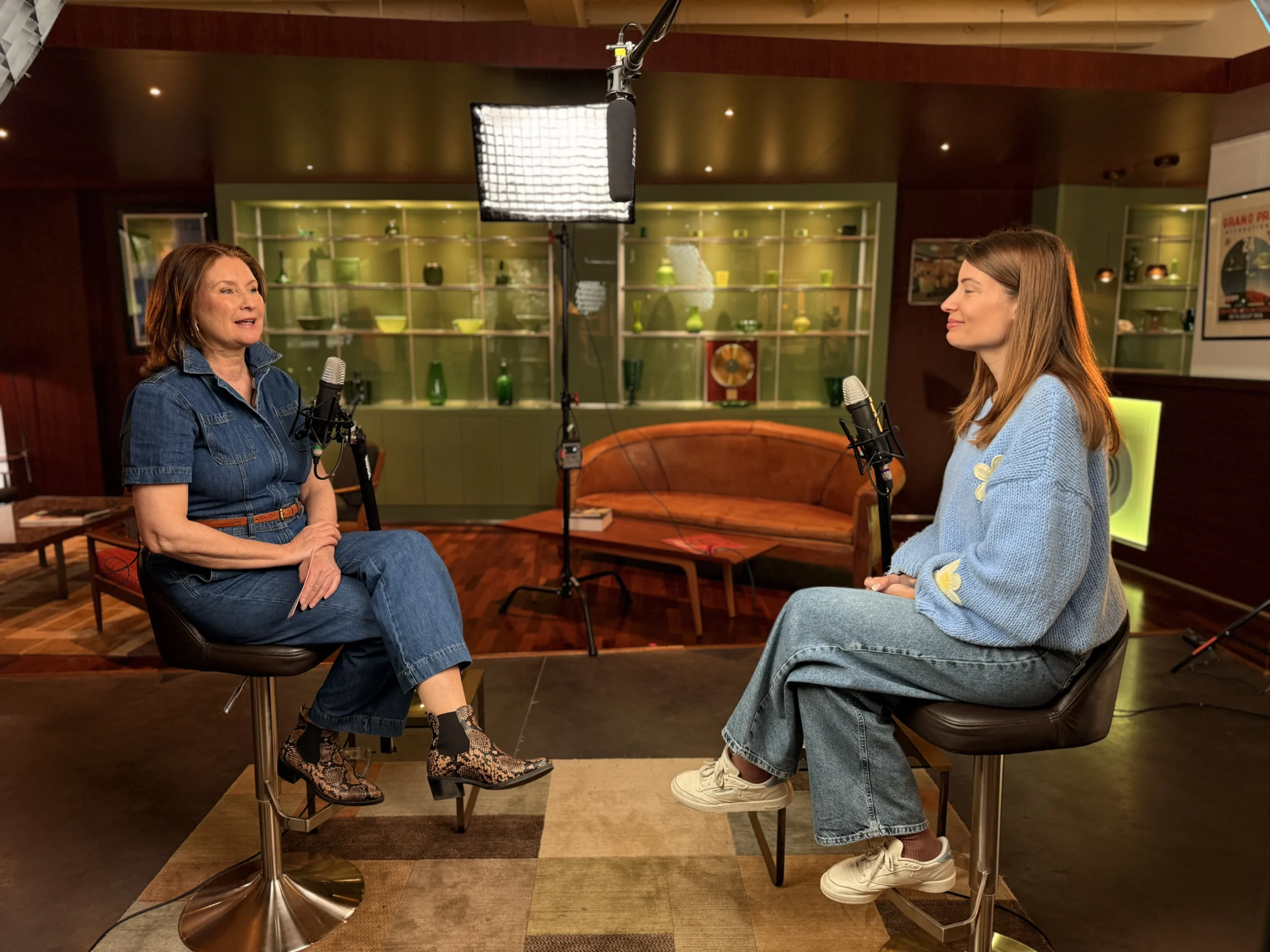
Ask about approval windows, not just shoot dates. A realistic production schedule accounts for stakeholder review time, revision turnaround, and buffer for feedback cycles. If a partner gives you a delivery date without asking how many internal approvers are on your side, they haven’t built a real schedule. Batch production is worth raising directly: recording multiple episodes or content assets in a single organized session compresses the timeline dramatically and gives you a content bank to draw from in advance. In some cases, a well-run batch day can yield weeks’ worth of social content or several podcast episodes at once, a genuine workflow advantage that not every video production company can offer.
Pricing models and what professional video production actually costs
Walking into a vendor conversation without a frame of reference means you can’t distinguish competitive pricing from a red-flag-cheap quote or an inflated one. These benchmarks won’t set your budget, but they will tell you when something is off.
Budget ranges by video format in 2026
In the U.S. market, corporate video production services typically run $1,500 to $20,000 for standard work, with premium brand films reaching $20,000 to $100,000 and above. Commercial and branded ad production commonly lands between $15,000 and $75,000 for complex regional work, scaling significantly for national broadcast. Social video sits lower: simple one-off pieces run $1,500 to $5,000, while ongoing content packages are typically priced at $2,000 to $10,000 or more per month.
The three most common pricing models are project-based (a fixed quote per deliverable), per-finished-minute (a benchmark of roughly $1,000 to $10,000 per minute depending on complexity), and monthly retainer for recurring content programs. Each model suits different production cadences, so it’s worth understanding which one your potential video production partner defaults to, and why.
What drives cost and how to compare quotes fairly
Not all $10,000 quotes cover the same scope. When comparing proposals, look at crew size and shoot days, the number of included revision rounds, how many asset versions and formats are delivered, and whether music licensing fees and distribution support are bundled in. A quote that excludes post-production or platform formatting isn’t cheaper. It’s just incomplete. Ask every partner to itemize scope explicitly so you’re comparing the same deliverables across proposals, not just total numbers.
Contracts, usage rights, and what to require before you sign
A professional video production company won’t balk at a structured contract. If a partner pushes back on standard terms, that’s a signal worth taking seriously. Get these elements in writing before any work begins.
Contract terms that protect your project
The contract should define scope, deliverables with technical specifications (file format, resolution, aspect ratios, codec), revision policy, payment milestones, and cancellation terms. The two most common sources of dispute in production engagements are ambiguous revision language and missing cancellation clauses. “Unlimited revisions” with no definition of what counts as one round is a setup for conflict. Require a clear revision policy that specifies how many rounds are included, what constitutes a new revision versus a simple correction, and the turnaround time for each round. Include cancellation terms with defined kill fees so both parties understand the financial exposure if the project ends early.
Usage rights, raw footage, and ownership
There’s a meaningful legal difference between a license and a copyright assignment. A license grants you permission to use the video under defined conditions. A copyright assignment transfers ownership entirely. Clarify which one you’re getting, and specify whether that covers paid advertising, broadcast, international distribution, and sublicensing. Raw footage and project files are a separate negotiation: confirm whether they’re included in the handoff or retained by the production company. Also address portfolio rights explicitly, define what the partner can show publicly and whether they need your approval before using your project in their reel.
The vetting questions that separate great video production partners from adequate ones
The best vetting questions aren’t gotchas. They’re designed to reveal whether a partner has a repeatable system, a real team, and the strategic mindset to contribute beyond execution. Use these in any evaluation conversation with a prospective video production company or film production partner.
Questions about process, team depth, and deliverables
Start with the operational basics. Who is in-house versus outsourced, specifically for editing, sound, and post-production? Who is the day-to-day point of contact, and do they stay with the project from brief to delivery? How many revision rounds are included, and what specifically qualifies as a revision? Can the same shoot produce cutdowns, vertical versions, captions, and stills without a separate production day? These questions reveal whether a partner has a repeatable production system or improvises around each project.
Questions about scalability, KPIs, and long-term fit
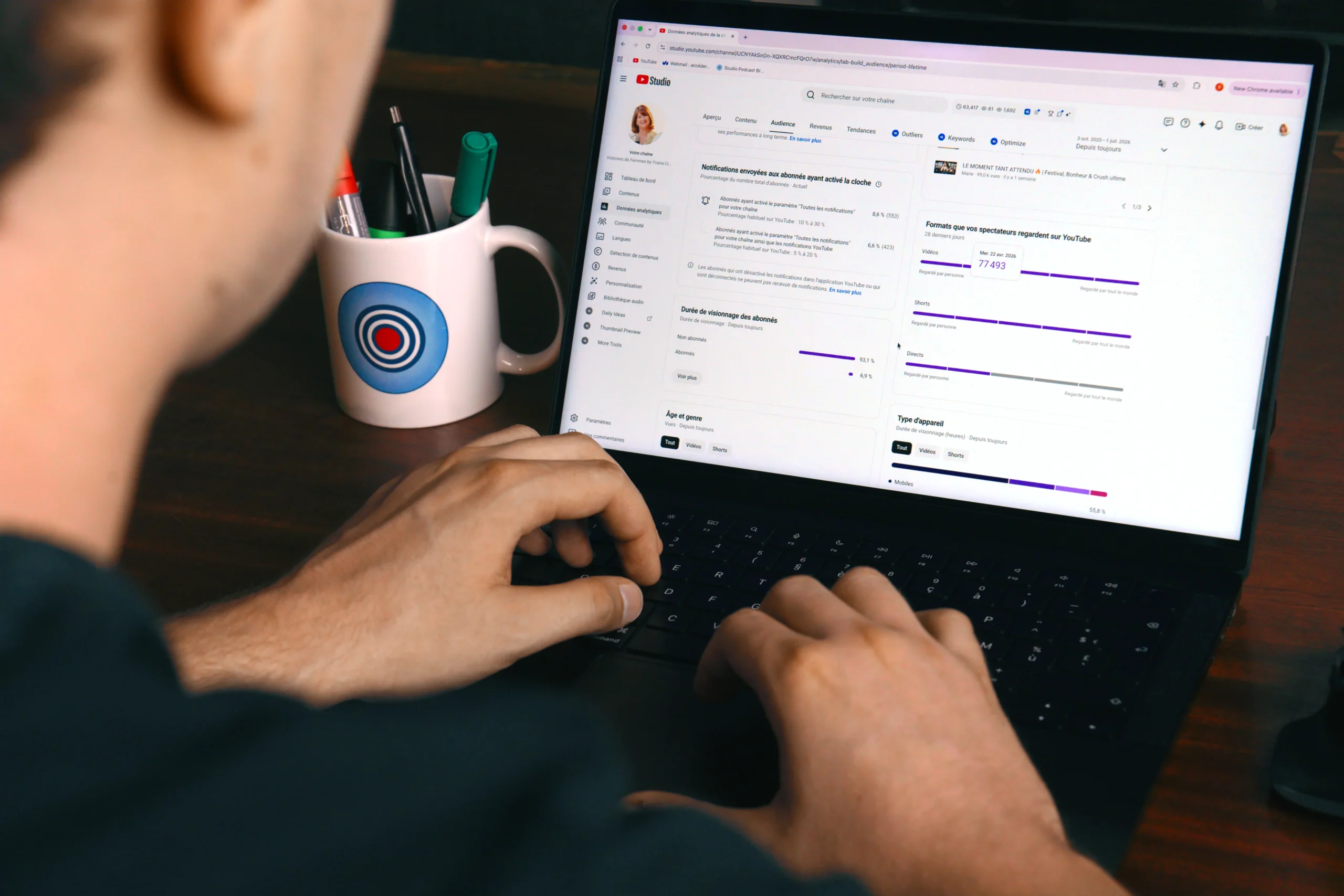
Scalability questions matter if you’re thinking beyond a single project. Can the partner handle increased volume without quality dropping? What does their production calendar look like, and how do they prioritize when multiple clients have deadlines? Then ask how they define a successful project. A video production partner that measures success by on-time delivery, revision ratio, engagement rate, and conversion performance is thinking like a strategic partner. One that answers with “the client liked it” is thinking like a vendor. That distinction determines whether this becomes an ongoing content program or a one-off transaction.
Make the decision like a content strategist, not a procurement manager
The right video production partner isn’t just about production quality. It’s about creative alignment, full-scope capability, timeline transparency, competitive pricing, airtight contracts, and a partner who thinks past the shoot and into the results.
That’s the model StreamBox is built on: end-to-end production from brief to publication, with in-house post-production and the batch-production infrastructure to keep ongoing content programs moving without the coordination overhead. Whether you’re a marketing team at a mid-size company, an agency looking for a reliable white-label production partner for agencies, or a creator ready to scale with professional support, the criteria in this guide apply equally.
If your current vendor situation doesn’t hold up against these benchmarks, see what a full-service production partnership looks like in practice. Reach out to the StreamBox team to walk through your content needs and find out how the end-to-end model fits your program.