A public awareness campaign faces a problem that other films don’t: its subject matter is unsettling. Talking about strokes risks putting off the very people we’re trying to warn. The film we produced for Pfizer takes the opposite approach. For forty seconds, it shows no hospitals, no statistics, and no anxious faces. Just a grandfather and his grandson folding a paper airplane.
The idea: a metaphor rather than a demonstration
The entire film revolves around an object—a red paper airplane—and a gesture: a man placing his hand on his chest. Nothing is explained. It’s the final on-screen text that provides the clue: the airplane’s flight path traces a heart, and the message appears: “To reduce your risk of stroke, find your rhythm.”
It is this shift in perspective that makes the film so effective. By addressing heart rate through imagery rather than medical jargon, the campaign speaks to people who don’t feel personally affected. It doesn’t ask you to be afraid; it makes you want to stay right there, at that table.
The choice to focus on the grandfather-grandson relationship does the rest. We’re not filming a patient; we’re filming what’s at stake.
The shoot: one set, two actors, no room for error
Guiding a Child
The film relies entirely on the young actor’s authenticity and the chemistry between the two actors. That’s the hardest thing to achieve on set. A child doesn’t act out an emotion on command; he expresses it when he feels comfortable. This requires a suitable shooting pace, few interruptions, and a small crew gathered around the table.
With this kind of film, preparation matters less than patience. We shoot more, and we keep what feels authentic.
Natural light and a unique setting
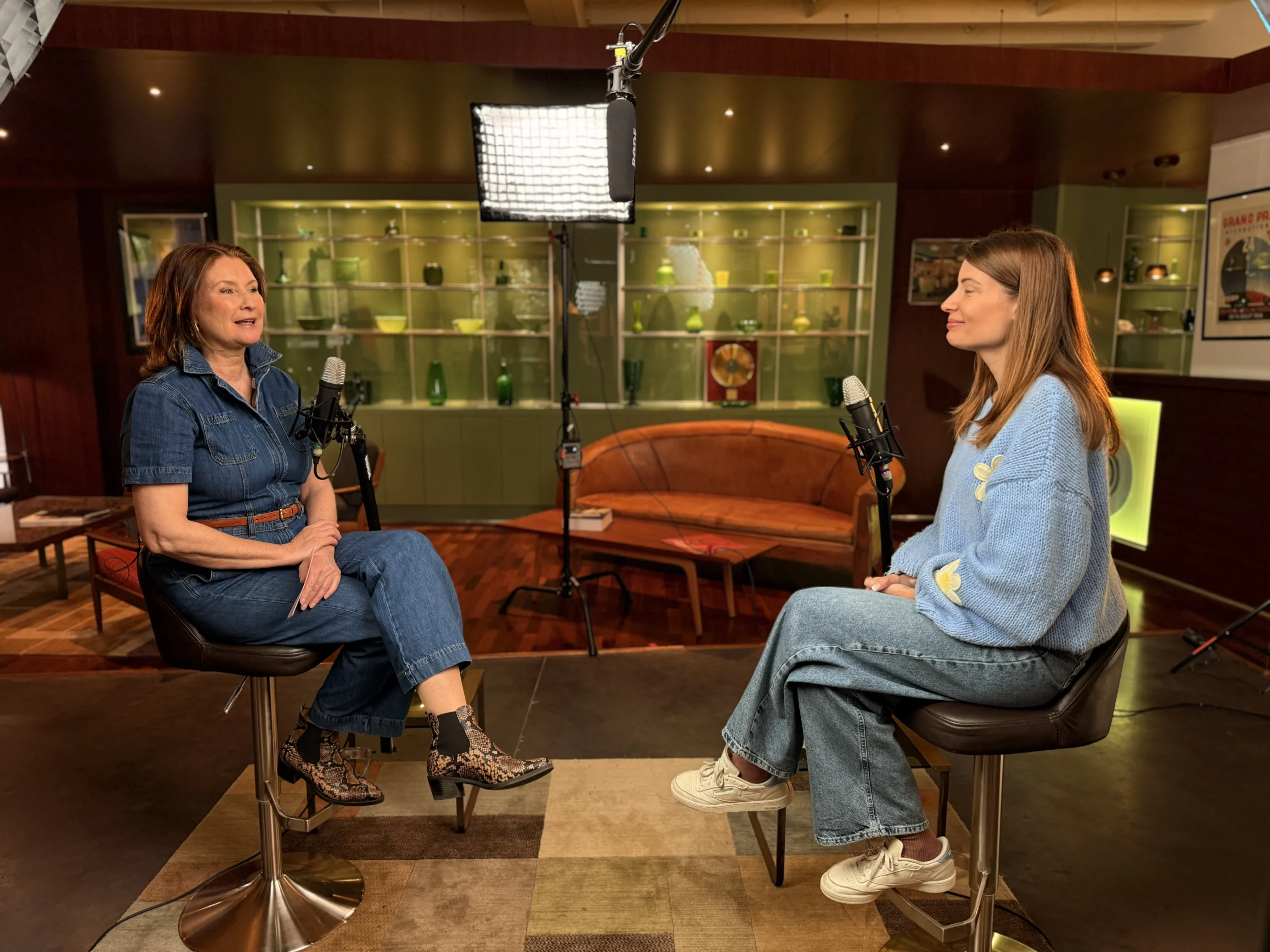
Almost everything takes place in the same setting: a table, a large, bright room, plants, and a turquoise wall. This choice requires creating variety through shot composition rather than through changes in location. Close-ups of faces, a wide shot of the room, and a top-down view of hands folding the paper.
The natural light streaming through the set gives the film its soft quality, but it shifts as the day goes on. You have to follow it, plan the shoot accordingly, and then correct any discrepancies during color grading so that the scene remains consistent from one shot to the next.
The gesture, filmed up close
The process of folding the paper airplane is filmed several times, from various angles. These close-ups of hands are not merely decorative: they convey the passage of time—that shared moment that gives the film its emotional resonance. They also serve a narrative function in the editing, helping to tie together scenes without dialogue.
The Final Score: The Challenges of Institutional Campaigns
A public service announcement rarely ends with just a logo. Here, we need to incorporate a message, a website address, and the logos of Pfizer and its partners all at once. This density poses a challenge for readability: the message needs enough time on screen to be read, without disrupting the emotional momentum built up just before.
It’s a scene in the editing process that we put just as much work into as the rest of the film.
Why These Campaigns Rely on Storytelling
A public health message competes for attention with everything else. Information alone is no longer enough to make it stick. Stories, on the other hand, are remembered and shared, which extends the life of the campaign far beyond the duration of its ad placement.
This is also what makes it possible to adapt the same shoot into multiple formats—from feature-length films to short-form content for broadcast networks—without having to start from scratch.
What This Project Says About the Way We Work
A film like this calls for restraint. No flashy effects, no showmanship—just subtle direction and editing that gives the story room to breathe. The craftsmanship isn’t obvious, and that’s precisely the point.
Working for an advertiser like Pfizer on a public health issue requires this level of rigor: the brand maintains control over the vision and responsibility for the message, while we handle everything else. That’s what we do for every advertising and corporate video production. Check out our other projects.