Key Takeaways:
- According to NPR, 20 to 35% of listeners stop listening to an episode within the first 5 minutes. Your intro is your best tool for keeping them engaged.
- The ideal length for a podcast intro is between 15 and 30 seconds. Once it goes beyond that, listeners start to get impatient.
- A strong intro is based on four elements: a hook, a brief introduction, the episode’s premise, and well-balanced music.
- The most common mistake is to thank the listeners or spend too much time introducing yourself before getting to the heart of the matter.
- The sound quality in the first few seconds shapes the listener’s opinion of your entire program.
Your podcast intro is arguably the most important editorial decision for your show. NPR’s data is clear: between 20% and 35% of listeners drop off within the first 5 minutes of an episode. It’s not that they didn’t like your topic. It’s that your intro didn’t give them a good enough reason to stick around.
In this guide, you’ll learn how to create a podcast intro that grabs listeners’ attention from start to finish: the essential elements, the optimal length, the mistakes that drive listeners away, and a ready-to-use sample script. At StreamBox, we record podcasts year-round in our studio near Brussels, and we see it time and time again: a good intro takes work—it can’t be improvised.
Why a Catchy Podcast Intro Makes All the Difference
There are now several million podcasts worldwide. In other words, your potential listeners have a nearly unlimited choice. When someone hits play for the first time, they aren’t really listening to your show yet—they’re evaluating it. The unspoken question is always the same: “Is this worth my time?”
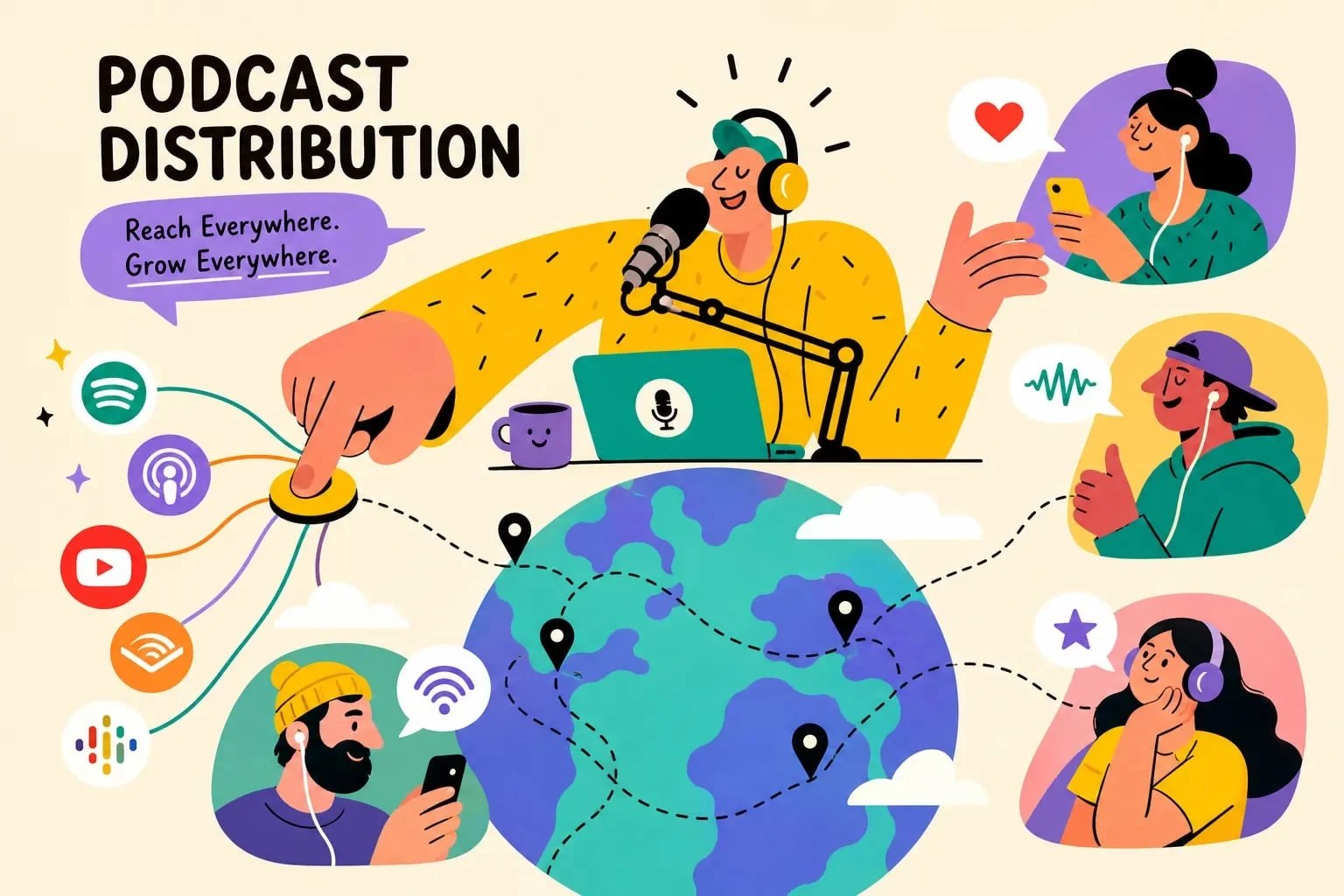
Your introduction therefore plays a doubly strategic role. For the listener, this is the moment when they decide whether to stay or skip ahead. For the algorithms on Spotify, Apple Podcasts, and YouTube, the retention rate during the first few minutes is a strong signal that influences your visibility. An intro that’s too long doesn’t just drive listeners away—it also hurts your search rankings. In fact, if you’re interested in this topic, our guide to podcast SEO on Apple Podcasts delves deeper into how this works.
Finally, this relationship of trust with your audience begins within the first few seconds. Your intro is the starting point.
The 4 Elements of a Captivating Podcast Intro
An effective intro can’t be improvised. It follows a proven structure found in the most popular shows, whether they’re corporate podcasts, interviews, or narrative formats.
The Hook: The First Sentence That Changes Everything
The hook is the very first thing your listener hears. It should immediately create suspense, spark curiosity, or offer a concrete promise. Three formats have proven effective: a surprising statistic (“A podcast episode can lose a third of its listeners within five minutes”), a direct question that highlights a real problem (“You launched your podcast three months ago and still haven’t surpassed fifteen subscribers. What if the problem is your intro?”), and the impactful clip, which involves playing the episode’s most compelling fifteen seconds before launching into the introduction.
The presentation: short, clear, and memorable
After the intro, introduce your show in one or two sentences at most: the podcast’s name, your first name, and what listeners can expect to find there. No long biography, no list of degrees. The goal is simple: to help the listener understand in five seconds why this show is perfect for them. By the way, your show’s name is also part of this equation: our article on how to name your podcast will help you choose it.
What to Expect from This Episode
Next, tell listeners what they’ll learn, discover, or feel in this specific episode. Be specific. “Today, you’ll discover the three mistakes that drive your listeners away within the first thirty seconds” is infinitely more effective than “We’re going to talk about podcasting.” This promise builds anticipation and, most importantly, gives listeners a concrete reason to listen all the way to the end.
Intro Music: Your Brand’s Sound Identity
Music serves two purposes: it creates an instantly recognizable sound signature, and it complements your voice without ever drowning it out. The best practices are simple: choose royalty-free music that matches the tone of your show, limit it to about 20 seconds, and mix it well below the level of your voice. A podcaster who has to raise their voice to be heard over their own music comes across as amateurish from the very first seconds.
How long should a podcast intro be?
There is a consensus among audio professionals: between 15 and 30 seconds. Any longer than that, and you delay getting to the main content, which may make your listener impatient. Any shorter than ten seconds, and there isn’t enough time to establish a strong hook and set the stage for what the episode has to offer.
Timestamps based on your podcast’s format
To be more specific, here are the guidelines we apply to our productions:
- Solo or monologue format: 15 seconds is all it takes. The listener recognizes your voice and doesn’t need a long introduction.
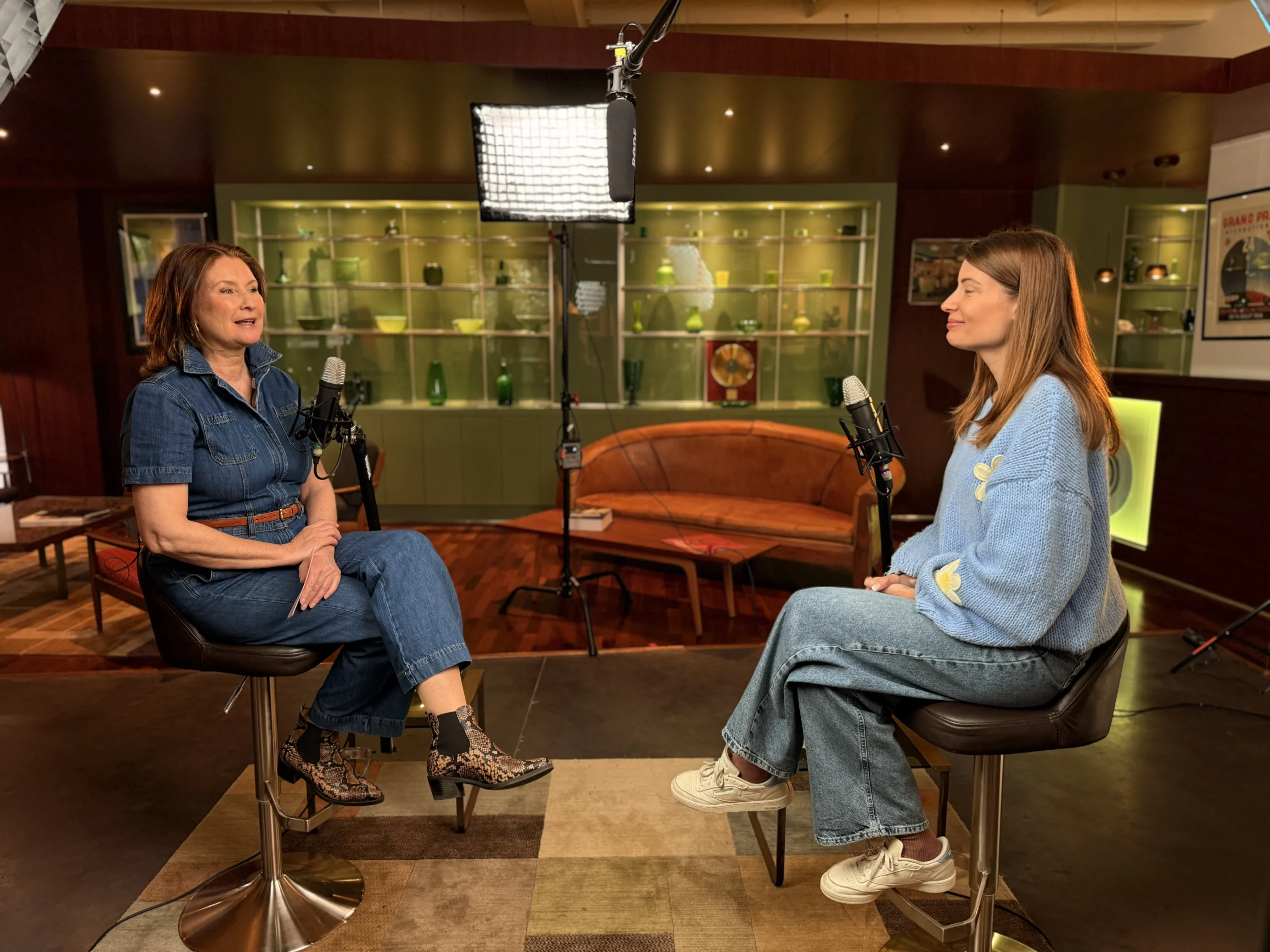
- Interview format: Allow 20 to 30 seconds to briefly introduce the guest.
- Corporate or brand podcast: 20 to 25 seconds. The intro should reflect the company’s professionalism without coming across as coldly formal. We go into more detail on this in our guide to corporate podcasts in Brussels.
- Narrative format or storytelling: up to 45 seconds, provided that the opening maintains genuine suspense.
Here’s a useful rule for checking your messaging: if it takes you more than 30 seconds to introduce your show and announce the episode, it means your message isn’t clear enough yet. Go back to your value proposition and rephrase it in a single sentence.
Are you preparing to launch your show and want some feedback on your intro? Schedule a free 30-minute call—we’ll listen to your project and give you our honest opinion.
The 5 Mistakes That Ruin a Podcast Intro
Most beginner podcasters make these mistakes, but so do many well-established shows. Identifying them is already half the battle.
Start by thanking the listeners
“Thank you for being here, welcome to this episode—I’m so glad you’re here…” The sentiment is sincere, but it doesn’t give listeners any reason to stay. A listener who’s just discovered your show isn’t looking to be thanked. They want to know what they’ll get out of listening. Thanks belong at the end of the episode, not at the beginning.
Taking too long to introduce yourself
Your full resume doesn’t belong in the intro. One sentence is enough. Curious listeners will look up your biography in the episode description on their own. In the intro, every second spent talking about yourself is a second taken away from the promise of the episode—that is, the only thing your listener is truly interested in at that moment.
Music that’s too loud or plays for too long
Music that drowns out your voice or plays for 45 seconds before you start speaking is far more annoying to the listener than it is effective at setting the mood. Music is background, not the main content. Limit it to about 20 seconds and keep the volume significantly lower than your voice for a balanced, professional sound.
A generic intro repeated exactly the same way
Your audio signature and presentation can remain consistent from one episode to the next. However, the episode’s hook should change each time. A loyal listener who hears the exact same intro for twenty episodes in a row will eventually start fast-forwarding through it every time, which will lower your retention rate in the eyes of the algorithms.
Poor audio quality
This is by far the most costly mistake. Hollow sound, echoes, background noise: from the very first seconds, listeners associate poor sound quality with a lack of professionalism. We see this time and again in our recordings: the vast majority of listeners won’t give an episode with poor sound quality a second chance. Your intro is your calling card. It deserves to be flawless. To explore examples and mixing techniques in greater depth, Riverside’s guide to podcast intros features audio clips analyzed by professionals.
A Sample 25-Second Podcast Intro Script
Here is a template that can be adapted directly to your show. It follows the four-part structure and takes about 25 seconds to read at a natural pace:
- “[A statistic or thought-provoking question directly related to the episode’s topic.]”
- “You’re listening to [Podcast Name], the podcast that [series promise in five words]. I’m [First Name], [three-word title].”
- “Today, you’re going to learn [the specific benefit of this episode]. Let’s get started.”
This script can be recorded in one take in a quiet environment, or in a studio for a truly professional sound. In any case, read it aloud at least three times before pressing record. An intro that sounds like it’s being recited is almost as damaging as one that’s too long.
Record Your Podcast Intro in a Studio Near Brussels
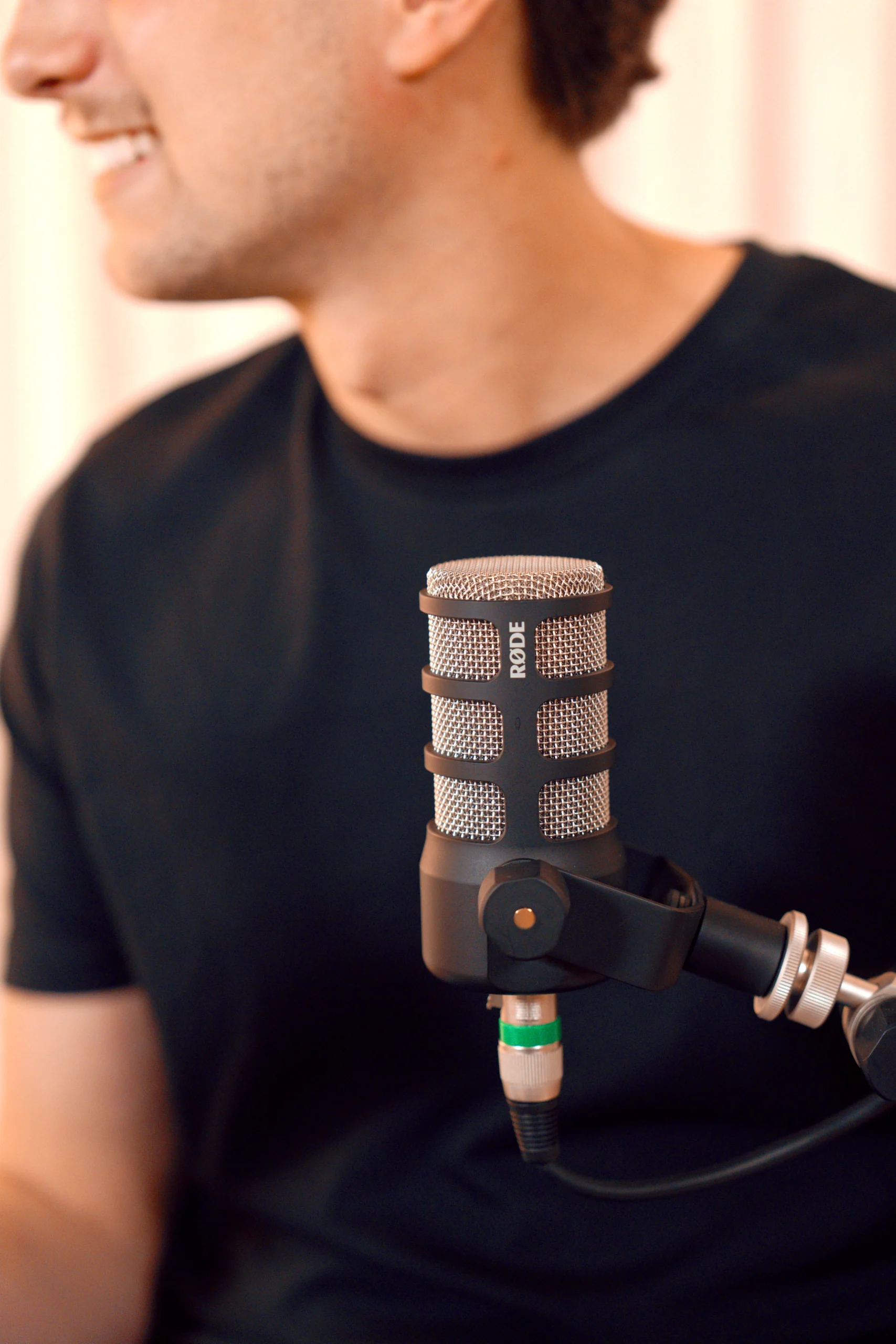
It’s entirely possible to record your intro at home with a good USB microphone. However, if you want a result that grabs the listener’s attention from the very first seconds and establishes immediate credibility, an acoustically treated studio makes a difference that the ear picks up on instantly.
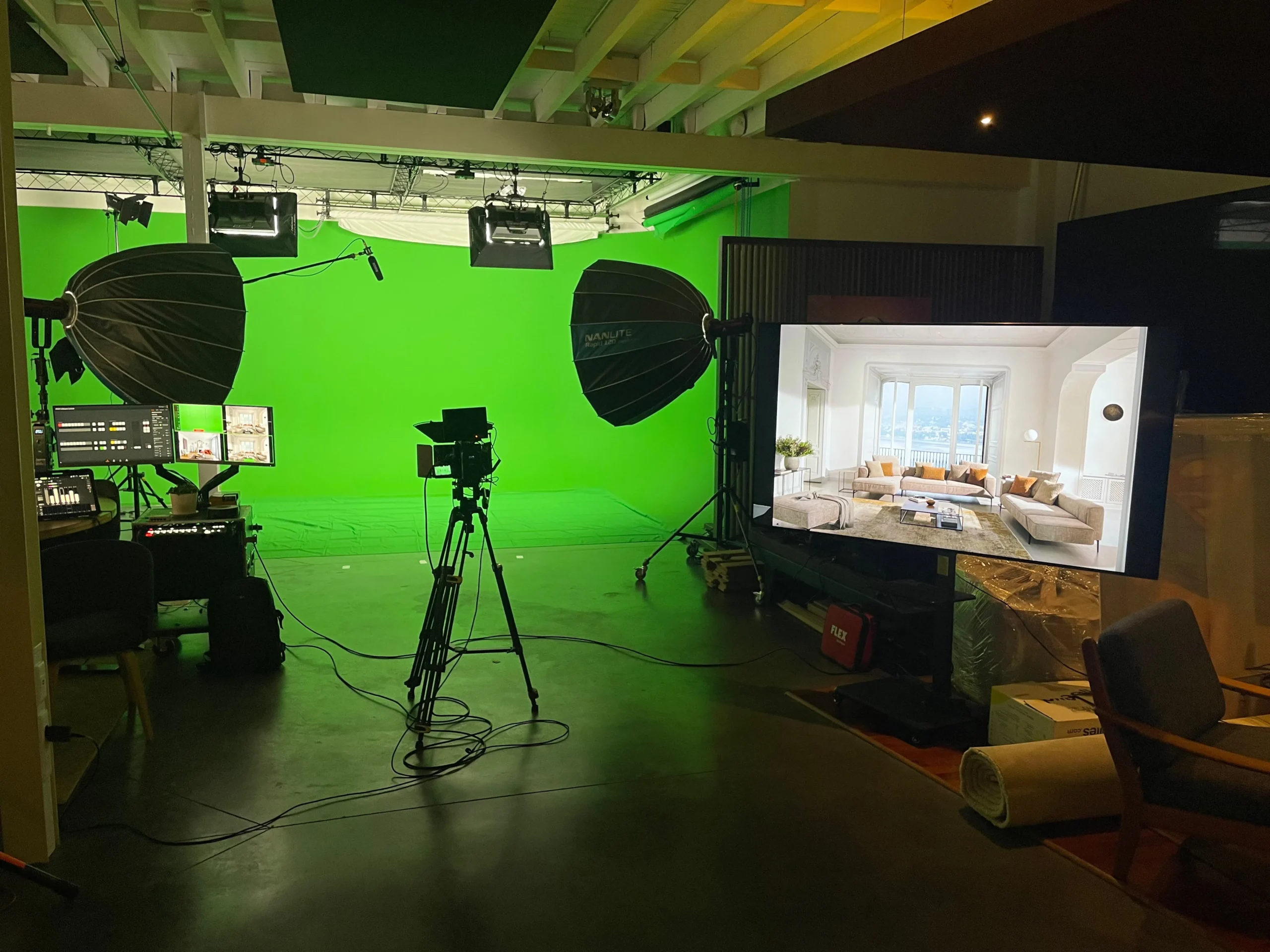
At StreamBox, our podcast recording studio near Brussels welcomes you with a sound engineer who adjusts levels in real time, and full post-production is included: editing, music mixing, subtitling, and cutting clips for social media. You’ll walk away with an intro tailored to grab attention on all platforms, delivered via Frame.io.
Between 15 and 30 seconds, according to audio professionals. Any longer than that, and you’ll lose part of your audience before you’ve even started. Any shorter than ten seconds, and it’s hard to establish a strong hook and convincingly convey the episode’s promise.
The fixed portion (podcast title, host introduction, theme music) can remain the same. However, the episode teaser must be rewritten each time. It’s what keeps a loyal listener from fast-forwarding through the intro.
Yes, as long as you use royalty-free music. Using a commercial song without a license could result in your episode being removed from the platforms. Limit the music to about 20 seconds and make sure it’s mixed well below your voice.
Three key elements make all the difference: a specific and surprising hook (a statistic, a question, or an excerpt), a sound signature that matches the tone of your show, and a clear promise of what the listener will gain by listening to the episode.
It’s not required, but a recording studio offers a sound quality that’s hard to replicate at home. At StreamBox, near Brussels, you can record your intro and several episodes in half a day, with a sound engineer and post-production included.