Many marketing managers see real potential in branded podcast production as a way to strengthen their thought leadership strategy. The hesitation rarely comes from the idea itself. It comes from the production reality sitting behind it: What does a show actually require? Who handles what? How long does it take, and what does it cost?
Branded podcast production is not audio editing. It is a complete chain that runs from show concept and format selection through scripting, recording, sound engineering, distribution, and ongoing promotion. Skipping or underestimating any link in that chain is why so many company podcasts launch strong and then lose momentum within the first handful of episodes. StreamBox exists precisely because managing that entire chain internally is a significant operational lift for most marketing teams. This guide walks through every stage so you can make an informed decision about what to build in-house, what to delegate, and when to hand the whole workflow to a production partner.
What branded podcast production actually covers
The difference between a branded podcast and a regular podcast
A branded podcast is produced on behalf of a company to serve a specific marketing, thought leadership, or audience-development goal. That distinction shapes every production decision from day one. The format, the guests, the editorial calendar, the tone, and the distribution targets all serve the brand’s business objectives rather than a creator’s personal interests. When a show exists to build pipeline or establish category authority, every episode needs to earn its place in the content strategy.
The full production scope, from concept to live episode
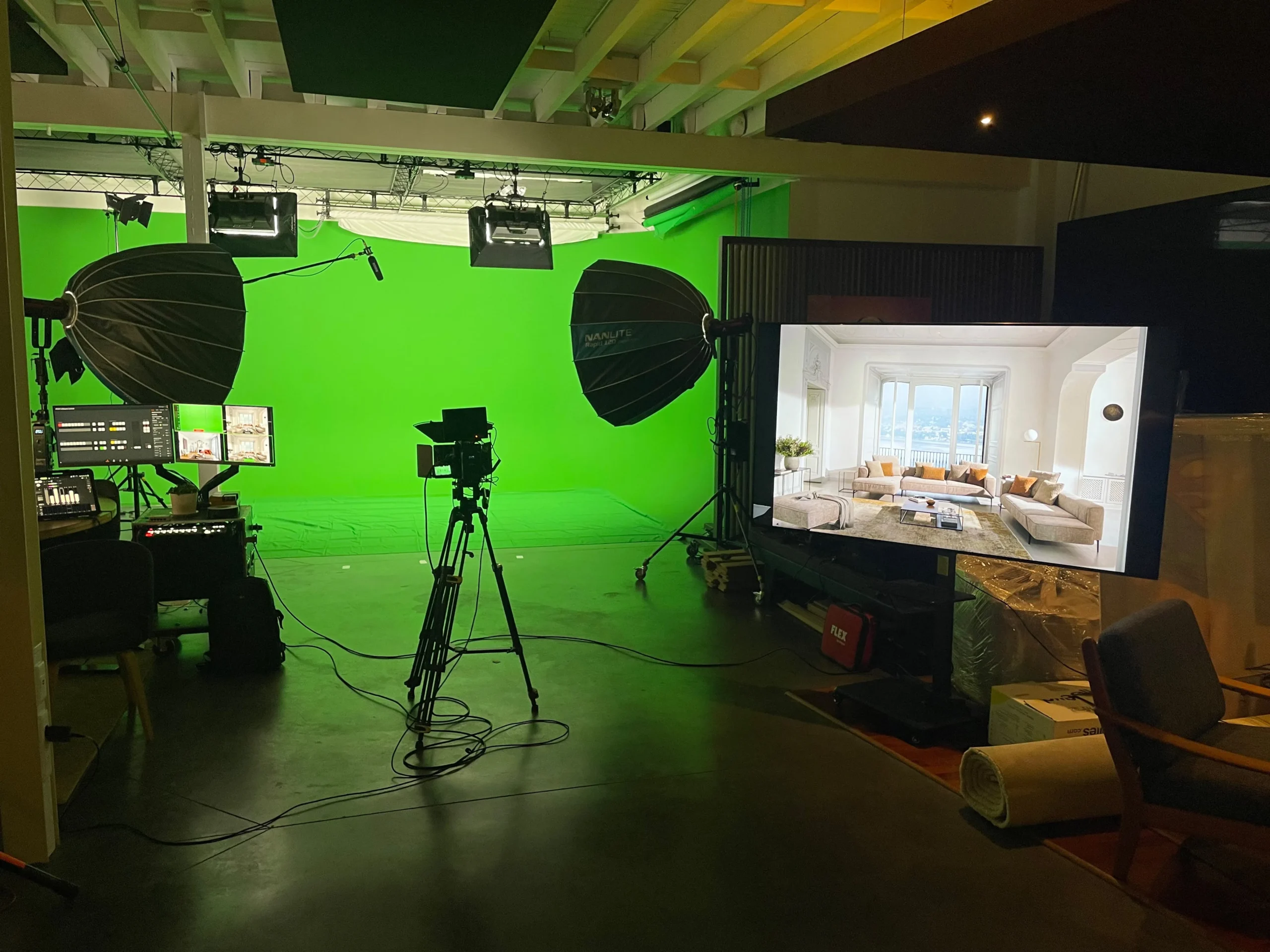
The complete deliverable list for a branded series is longer than most marketing teams expect. A single episode alone requires show positioning, format design, an episode outline or script, guest coordination, studio or remote recording, audio editing, sound design, music integration, show notes, chapter markers, and platform-ready metadata. A full series adds hosting setup, RSS configuration, directory submissions, social clips, and a promotional plan that runs for the entire season. Breaking that down further: pre-production tasks include audience research, editorial planning, and guest outreach; production tasks cover recording facilitation and real-time direction; post-production tasks handle the edit, mix, and asset creation that follow every session. Most teams dramatically underestimate the workload when they first plan a corporate podcast because they are only picturing the recording session, not the many cumulative hours of surrounding work each episode requires.
Choosing the right format and concept before production starts
The four main formats B2B companies use
B2B brands in 2026 work with four common formats, each with real tradeoffs. The expert interview (one host, one guest per episode) is the most popular format by a wide margin, accounting for roughly 62 percent of active business podcasts according to industry tracking data, and it scales quickly because the structure is repeatable. The roundtable (two or more guests discussing a topic) signals industry authority and works well for community-building, though coordinating multiple schedules adds production complexity. The short-form solo commentary (under 20 minutes, one strong editorial voice) suits time-pressed audiences and allows the fastest publishing cadence, though the right length ultimately depends on your audience and use case. The narrative or seasonal series is the most production-intensive format, but it consistently generates the strongest brand differentiation and some of the highest engagement numbers, industry data suggests well-produced branded shows can reach completion rates above 75 percent.
How to define the show concept before entering branded podcast production
Several strategic decisions need to be locked before a single episode is recorded. You need a clear target audience defined down to the specific job title and pain set, an editorial angle that makes the show genuinely distinct in a crowded podcast landscape, a publishing cadence (weekly, biweekly, or a seasonal drop), and a primary business outcome the show is meant to drive: brand awareness, ABM pipeline influence, or thought leadership authority. Without these decisions confirmed in writing, production lacks direction and episodes become inconsistent within a few weeks of launch.
The branded podcast production workflow from brief to published episode
Planning and pre-production for branded podcast production (weeks 1 to 4)
The planning phase is where most delays originate, not in the studio. This stage covers audience and format decisions, editorial calendar mapping, and brand identity for the show, name, artwork, and intro music. It also covers guest identification and outreach, episode outline or script development, and the approval workflow setup. For a six- to twelve-episode branded series, realistic planning takes two to four weeks. Rushing this phase creates cascading problems throughout production, because every subsequent step depends on decisions made here.
Recording, editing, and approval (weeks 4 to 8)
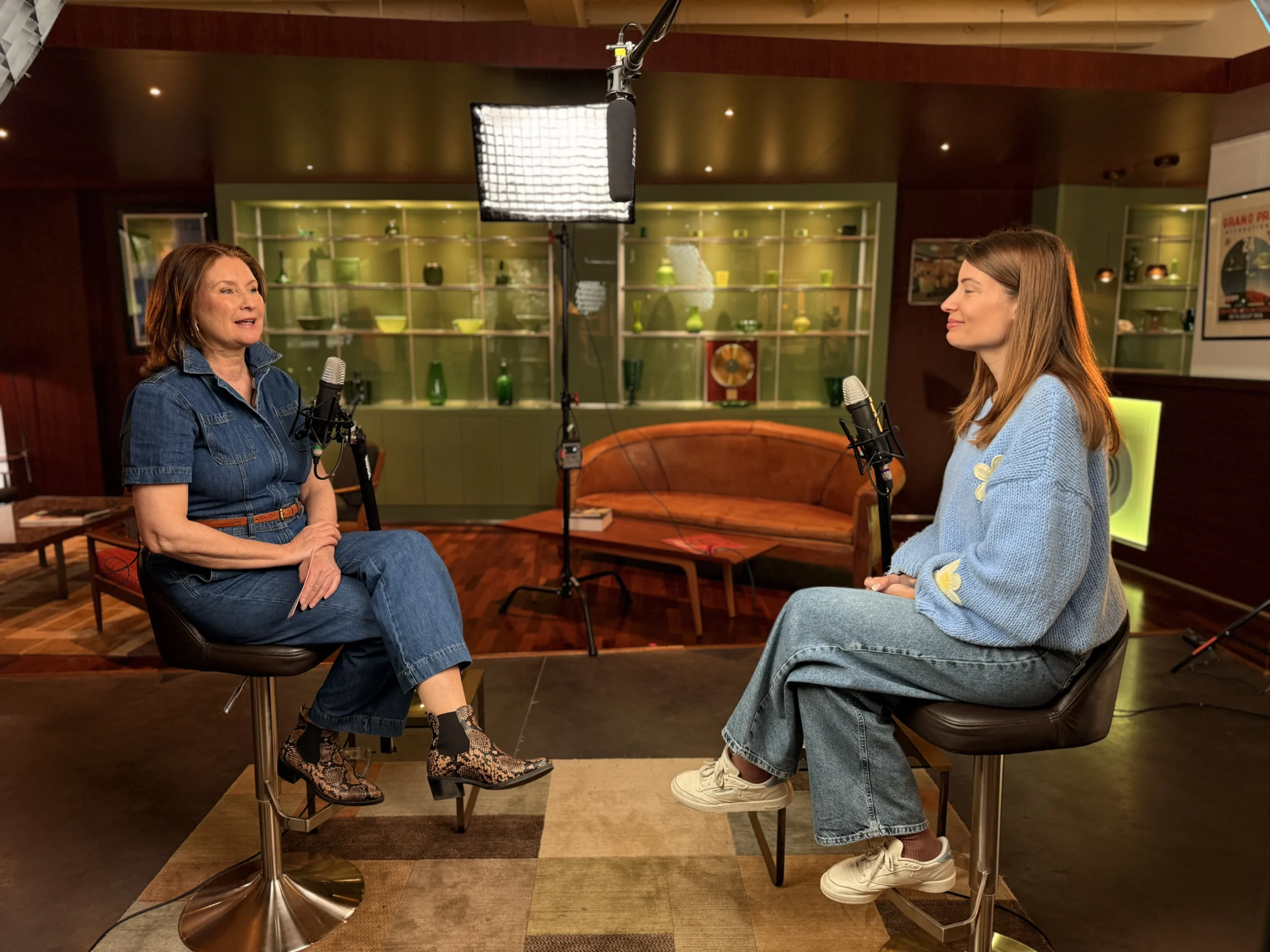
A professional recording session, whether remote or in-studio, is the most visible part of the workflow but rarely the most time-consuming. Batch recording is the most efficient approach for branded series: recording four to six episodes in a single half-day session builds a content buffer that protects the publishing schedule from unforeseen delays. After recording, the editing and sound engineering process handles audio cleanup, music and brand integration, and the final mix. A well-run production keeps at least two fully edited episodes in reserve at all times, so a single stakeholder delay does not stall the entire season. Editing and approval turnaround typically runs one to four weeks per episode, depending on the complexity of the review cycle and the number of stakeholders involved.
Launch setup and ongoing promotion (weeks 8 to 10 and beyond)
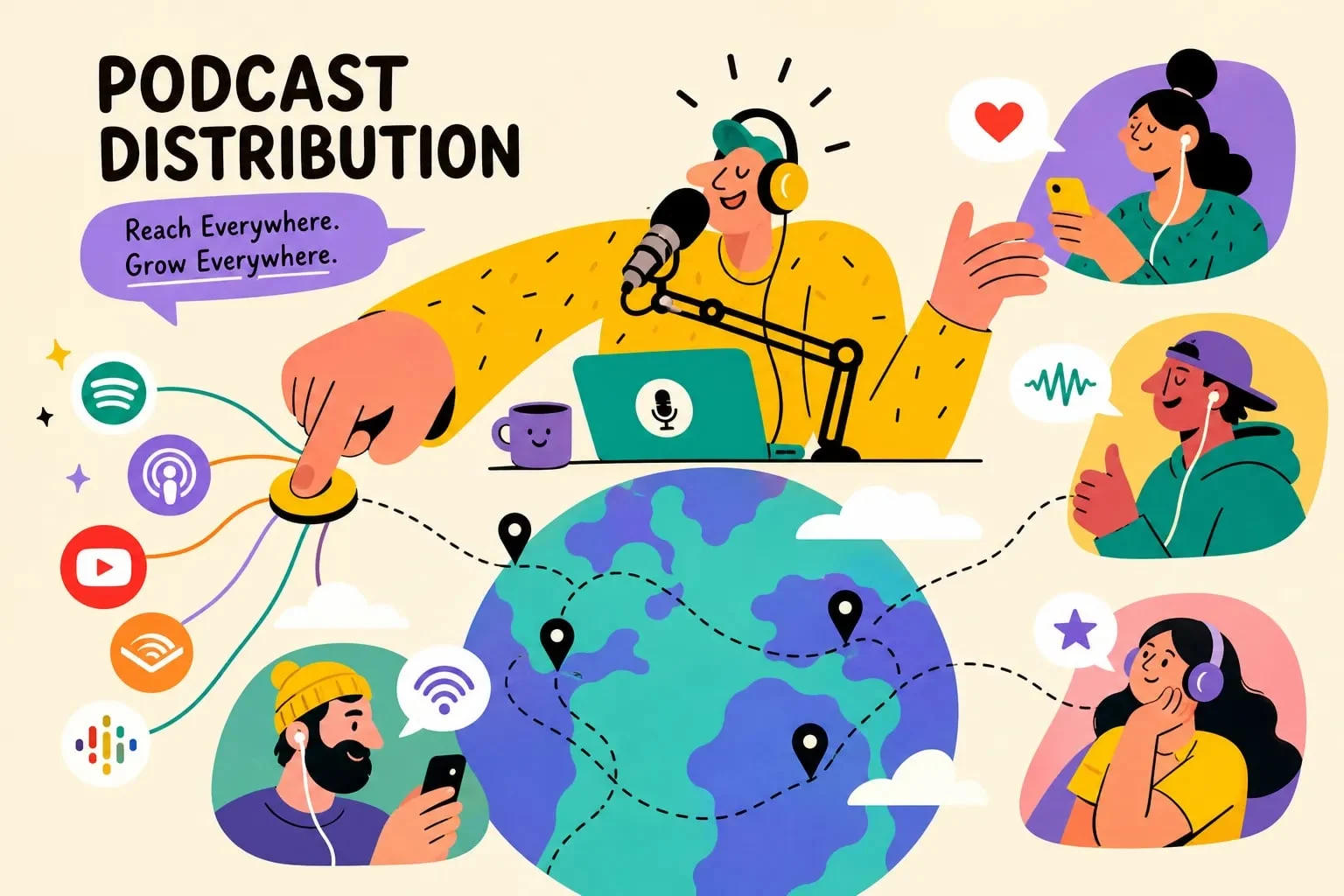
The distribution phase involves hosting platform setup, RSS feed configuration, directory submissions to Spotify, Apple Podcasts, and YouTube, metadata optimization, and a trailer release timed to a two-week pre-launch promotional window. Launch day is the beginning of the promotion cycle, not its peak. Audiograms, episode clips, newsletter features, and guest cross-promotion need to run consistently throughout the season to build cumulative reach. Industry benchmarks suggest a realistic range for a new branded podcast is 30 to 150 downloads per episode in the first 30 days, with 100 or more considered a strong early result for a targeted B2B audience.
What branded podcast production realistically costs in 2026
Three production models and their price ranges
In-house production appears inexpensive until you account for staff time, equipment, software licenses, and studio overhead. When those costs are fully loaded, most companies discover that in-house production runs tens of thousands of dollars annually. Freelancer support for editing ranges from $50 to $200 per episode for basic delivery and $200 to $500 or more for polished, broadcast-ready audio. Full-service branded podcast agencies, which deliver corporate podcasting services end to end, typically start at $2,100 to $6,500 per month at the entry level, with enterprise-grade show production (strategy, guest operations, video, repurposing, and analytics included) running $5,000 to $15,000 per month at the upper end. Sponsored podcast production arrangements, where a third-party underwrites production costs in exchange for placement, represent a separate pricing model worth exploring if budget is the primary constraint.
What drives the cost up and what brands can control
Episode length, recording location, video capture alongside audio, number of guests per episode, scripting depth, social clip deliverables, and reporting scope all move the price. Brands that batch-record multiple episodes in a single session significantly reduce the per-episode cost across the season. Adding video, show notes, vertical clips, platform SEO, and monthly analytics reporting to the scope should push expectations toward the higher end of agency pricing, because those deliverables represent real hours of skilled work beyond basic editing.
In-house production vs. hiring a branded podcast agency
When it makes sense to hire a full-service agency
A capable internal team needs an audio engineer, video producer, dedicated editor, distribution manager, and content strategist working in coordination. Most B2B marketing teams do not have that combination on staff. The case for a full-service production agency strengthens when the team lacks production expertise, when consistency and broadcast-ready quality are non-negotiable from episode one, or when the marketing manager cannot spend significant time each week managing production coordination. Many full-service branded audio content production agencies assign a dedicated project manager or producer who owns every step from concept to publication, so the client’s time commitment is limited to showing up prepared for the recording session. StreamBox is structured around exactly that model.
The checklist for evaluating a branded podcast production company
Use these criteria when comparing vendors to avoid surprises after the contract is signed:
- Relevant B2B case studies with named clients, similar industries, and measurable outcomes
- Transparent pricing with itemized deliverables, clear revision policies, and ownership terms for raw files and masters
- An explicit audience development strategy that goes beyond publishing the RSS feed
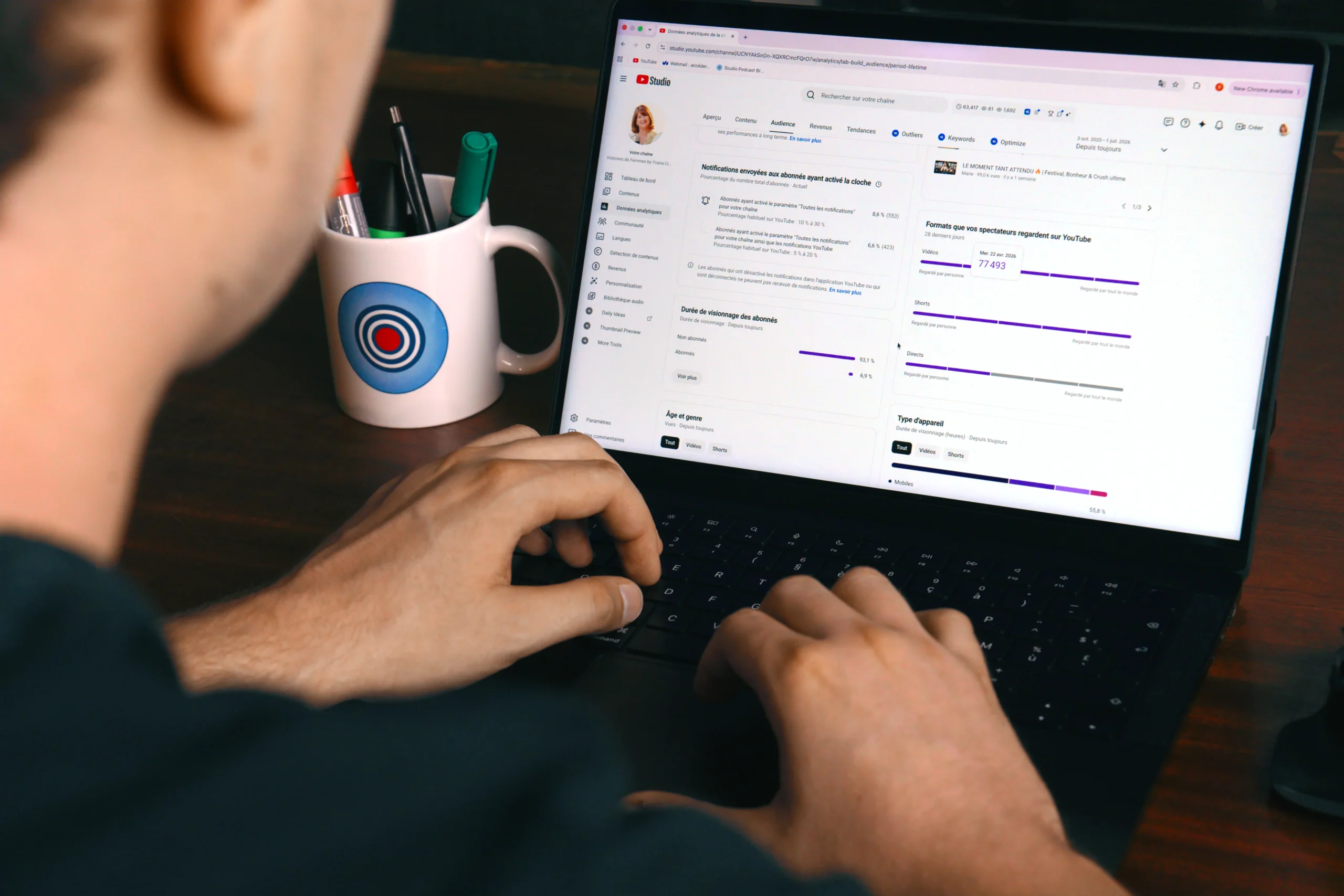
- Reporting that goes beyond downloads to connect episode activity to pipeline, CRM data, or branded search lift
- A documented end-to-end workflow with defined turnaround times and escalation paths
- Branded audio content production capabilities including video, repurposed social assets, and platform-specific optimization
- References from current clients with comparable show complexity
The best agencies behave as strategic partners who can explain how the podcast supports your business goals. Tactical vendors talk primarily about editing speed and turnaround. That distinction is the single most useful filter when shortlisting production companies.
Measuring branded podcast ROI: the KPIs that leadership cares about
Reach and engagement metrics that signal content quality
Total downloads and listen count establish the reach baseline, but they are not enough on their own to justify investment to a CFO. Consumption rate (the percentage of each episode an average listener completes) is the clearest signal of content quality. Based on published industry benchmarks, a consumption rate above 70 percent is considered strong for branded podcasts; anything below 40 percent is a warning sign that the content or format needs adjustment. Average listen time and episode-to-episode retention round out the content-quality picture and tell the editorial team whether the show is worth renewing for a second season.
Business-impact metrics that connect the podcast to pipeline
Leadership weighs different metrics than the production team does. The business-impact layer includes website traffic lifted from podcast mentions, branded search increases during an active season, lead conversions tracked via unique URLs or QR codes in episodes, and CRM attribution linking listener activity to sales conversations. For conversion benchmarks, guest-to-customer conversion rates vary significantly by audience temperature: industry case data points to approximately 2 to 3 percent for cold outreach audiences, 8 to 12 percent for warm introductions, and 15 to 20 percent for strategic account targeting. A well-measured branded show should be able to demonstrate pipeline attribution of 20 percent or more within 18 months for a series built around a strategically defined target account list. That is the number that keeps the budget conversation productive.
Making the production decision with confidence
Branded podcast production is not a simple content format. It is a multi-stage production system: concept, format, scripting, recording, post-production, distribution, and ongoing promotion. Each stage requires specific expertise, and the quality of the final show depends on how well the handoffs between stages are managed.
For most B2B marketing managers, the fastest path to a broadcast-ready show is partnering with a full-service production agency that owns the complete workflow. Use the cost ranges, timeline benchmarks, and agency evaluation checklist in this guide to build the internal business case and shortlist the right partner. To see what an end-to-end production system looks like for your specific format and goals, reach out to the StreamBox team directly. The production decision is as strategic as the editorial one, and getting it right from the start determines whether the show builds audience and moves pipeline, or quietly loses momentum before it ever gains traction.