A couple settles into a red Clio in the middle of a Renault showroom. The salesperson climbs into the front seat and launches into his pitch. Except he says nothing about the engine — he talks about orientation, new construction, and a space that’s bigger than it looks in the photos. For over a minute, this Renault ad films a flat viewing inside a car, and never once lets on that it’s a joke.
The idea: transposing a scene everyone knows
Renting a flat is a shared experience, complete with its own codes and well-worn phrases. The film takes them one by one and applies them to a car. “It’s a new build.” “It’s bigger than it looks in the photos.” “South-facing or north-facing?” The viewer recognises every line before they realise where the film is taking them.
The device only works on one condition: nobody can let on that it’s a joke. The salesperson genuinely believes every word he says. It’s the deadpan seriousness of all three characters that generates the comedy — and it’s also what makes the punchline land.
The shoot: a showroom, a car interior, three actors
Filming three people inside a car
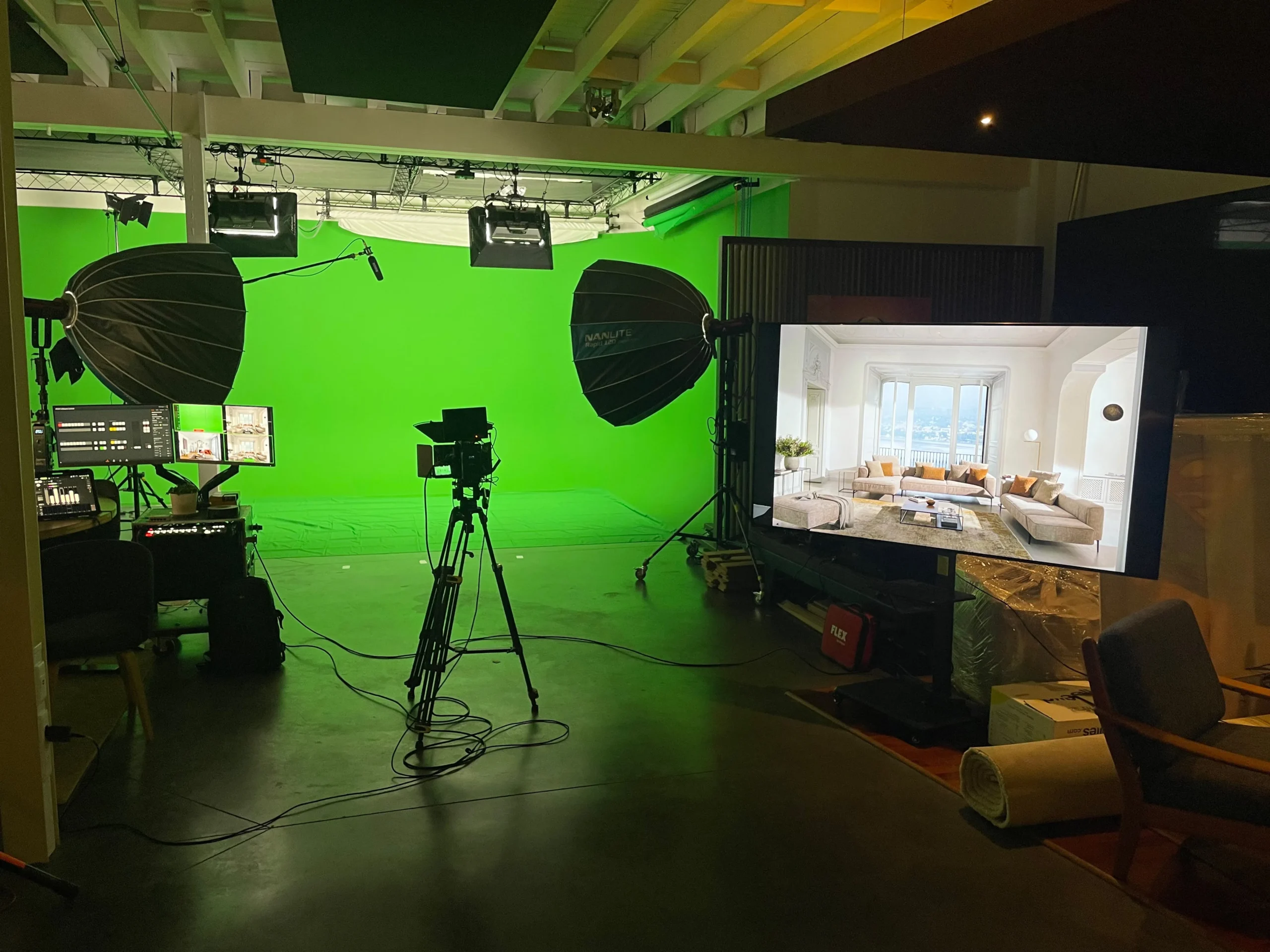
A car is a tiny set. Three people inside, a camera, lighting — every angle has to be fought for, centimetre by centimetre. You need to vary your shot sizes so the dialogue can breathe, without ever revealing the crew or breaking the illusion of the scene. It’s an exercise in shot planning far more than in staging.
A showroom: a location you work with, not against
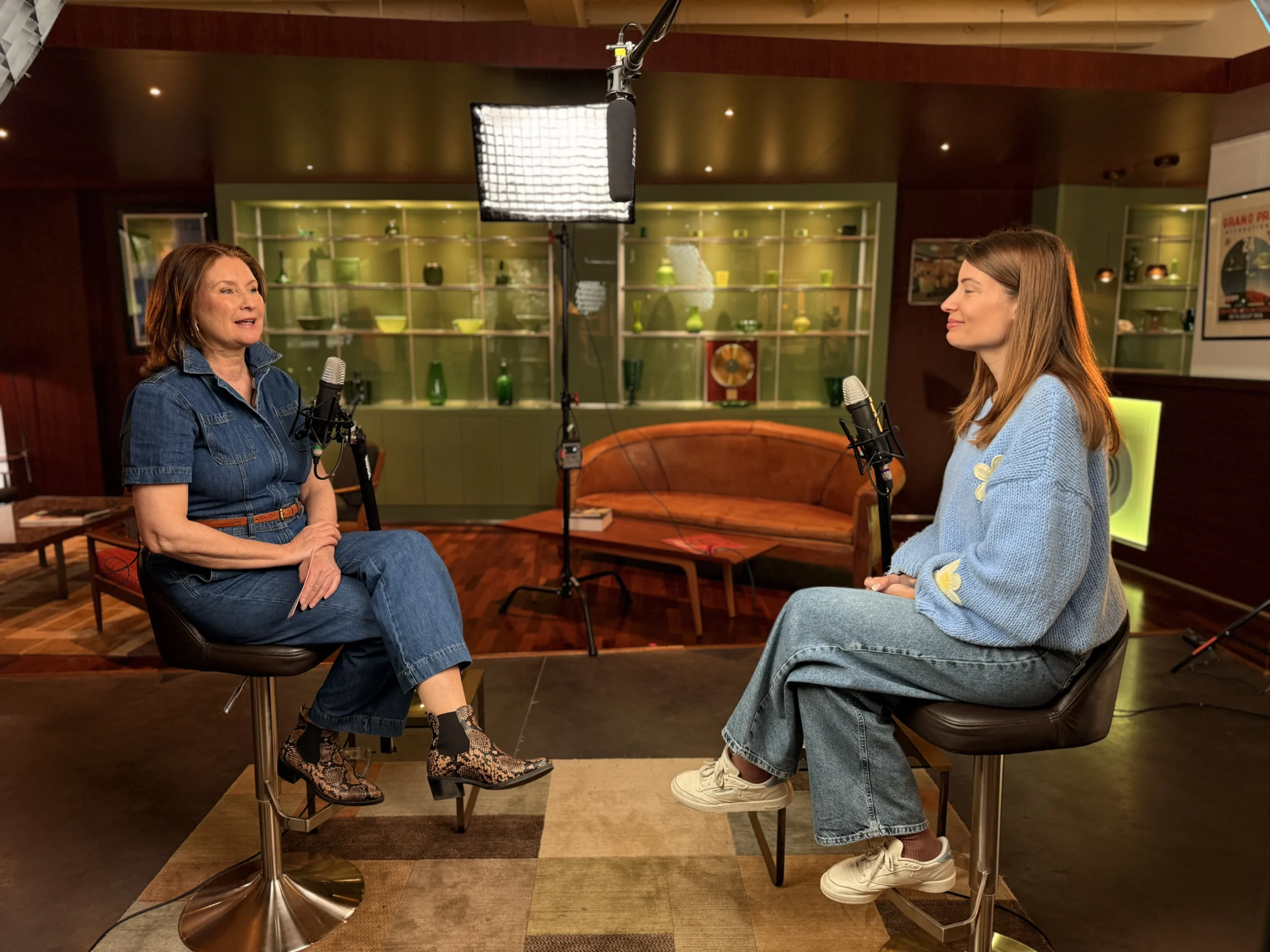
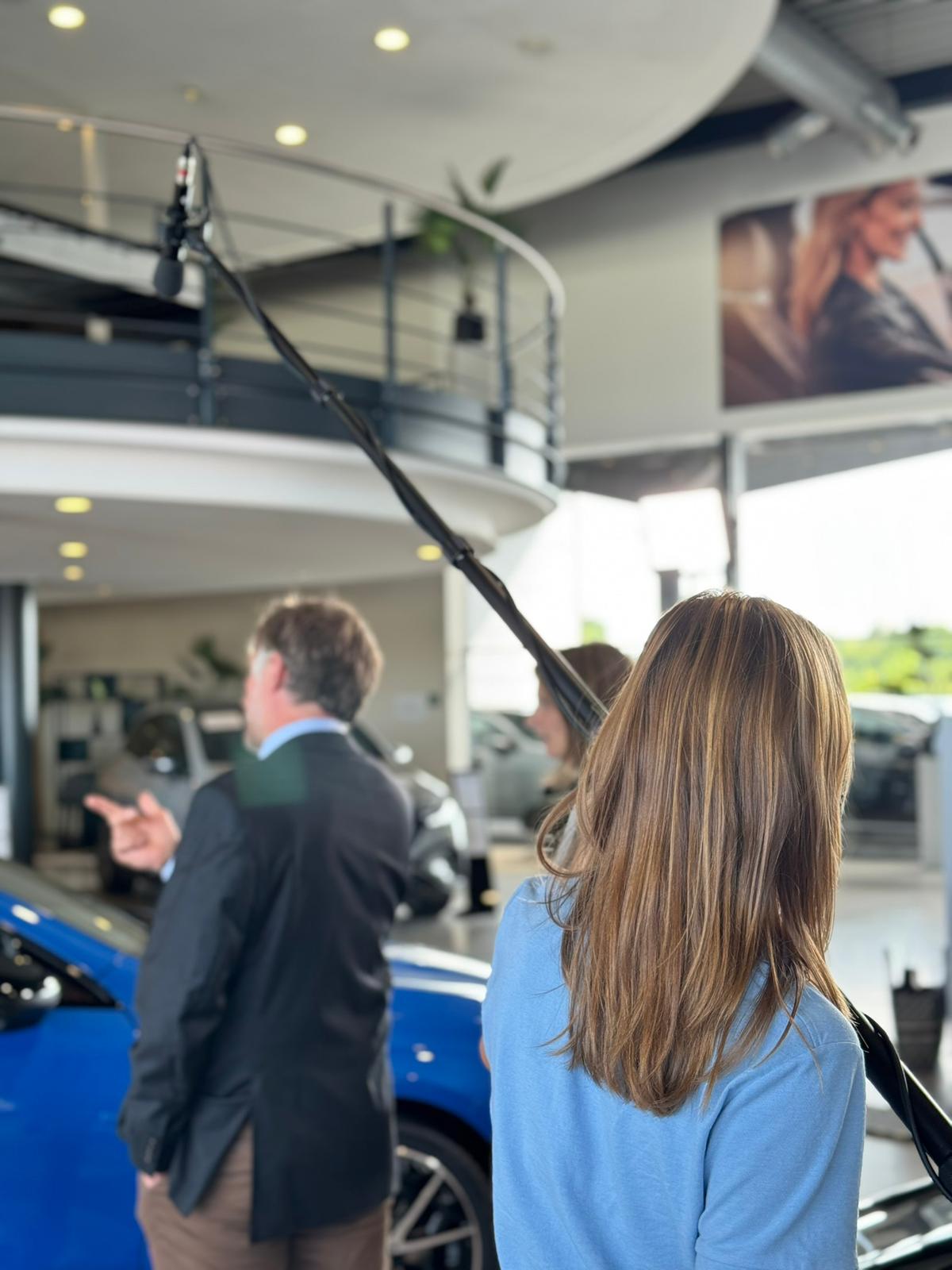
A car dealership is a real-world environment, with its glass walls, bright ceilings and reflections bouncing off lacquered bodywork. Nothing about it is neutral. You have to work with the available light, correct it just enough, and above all manage the reflections in the car windows — which can expose an entire film crew in a single frame.
Performance: the art of holding back
On this kind of film, performance direction does half the work. One eyebrow raised too high and the joke turns into a sketch. The couple has to hesitate the way people genuinely hesitate; the salesperson has to rattle off his arguments without the faintest wink. So you shoot a lot of takes and keep only the ones where nobody overplays it.
The punchline: “What if you rented instead?”
The reveal comes in the final second, and it reframes everything that came before: what if you rented a car the way you rent a flat? The closing title card then delivers the message — the long-term rental offer — without ever having needed to spell it out beforehand.
It’s the most effective mechanic in advertising: making the product understood through what it replaces, rather than through what it contains.
Why this long-form format works
Over a minute is a long time for an ad — but it’s exactly what digital can sustain when the story holds up. Viewers stay because they want to know where the dialogue is going, not because they’ve been promised a deal.
This kind of film also cuts down beautifully: each line works in isolation and becomes a short-form asset for social media. A single shoot feeds an entire campaign — a content repurposing logic we apply systematically through our social media agency division.
What this project says about how we work
A film like this demands three things: sustaining an idea over time without ever underlining it, shooting cleanly in a tiny space within a location you don’t control, and directing actors with enough precision that the joke only reveals itself at the very end. The brand keeps the vision; we take care of everything else.
It’s also the thinking that drives every video production project we take on, as you’ll see in our portfolio.