At StreamBox, one of the first questions B2B clients ask is a version of the same thing: “Should we do a podcast or video content?” The podcast vs video marketing decision sounds straightforward. It rarely is. Both formats can generate real pipeline, build brand authority, and create content that compounds over time. But they work differently, cost differently, and attract attention in fundamentally different ways.
This article breaks down the real comparison across five dimensions: audience reach, production cost, engagement depth, lead generation potential, and platform fit. By the end, you’ll know which format fits your goals, and how the smartest B2B brands use both without doubling their workload.
Podcast vs Video Marketing: Audience Reach and Where Each Format Finds Your Buyers
YouTube is where podcast audiences are built now. Around 40% of listeners say they first found a favorite show there, and video platforms combined account for roughly 61% of podcast discoveries. TikTok and Instagram work differently: they drop clips into feeds, creating awareness without requiring a search. Discovery on these platforms is interruption-based, which means a well-crafted short clip, research suggests 15 to 35 seconds performs best on Shorts and vertical formats, can introduce your brand to buyers who had no idea you existed.
Apple and Spotify attract a different type of listener. People arrive through deliberate search, recommendations, or subscriptions. Spotify’s podcast audience skews 18 to 34, with 61% listening weekly. Apple listeners are more affluent and audio-first. Neither platform matches YouTube for raw reach, but both deliver something more valuable for B2B: repeated, attentive consumption from professionals who chose to be there.
Video platforms are your top-of-funnel engine. Podcast platforms are your depth play. A strong B2B content strategy uses video, especially YouTube, for discovery, then converts that attention into committed listeners on Spotify and Apple. Plan for both stages rather than treating reach as a single metric.
Podcast vs Video Marketing: Production Costs and What Each Format Demands from Your Budget
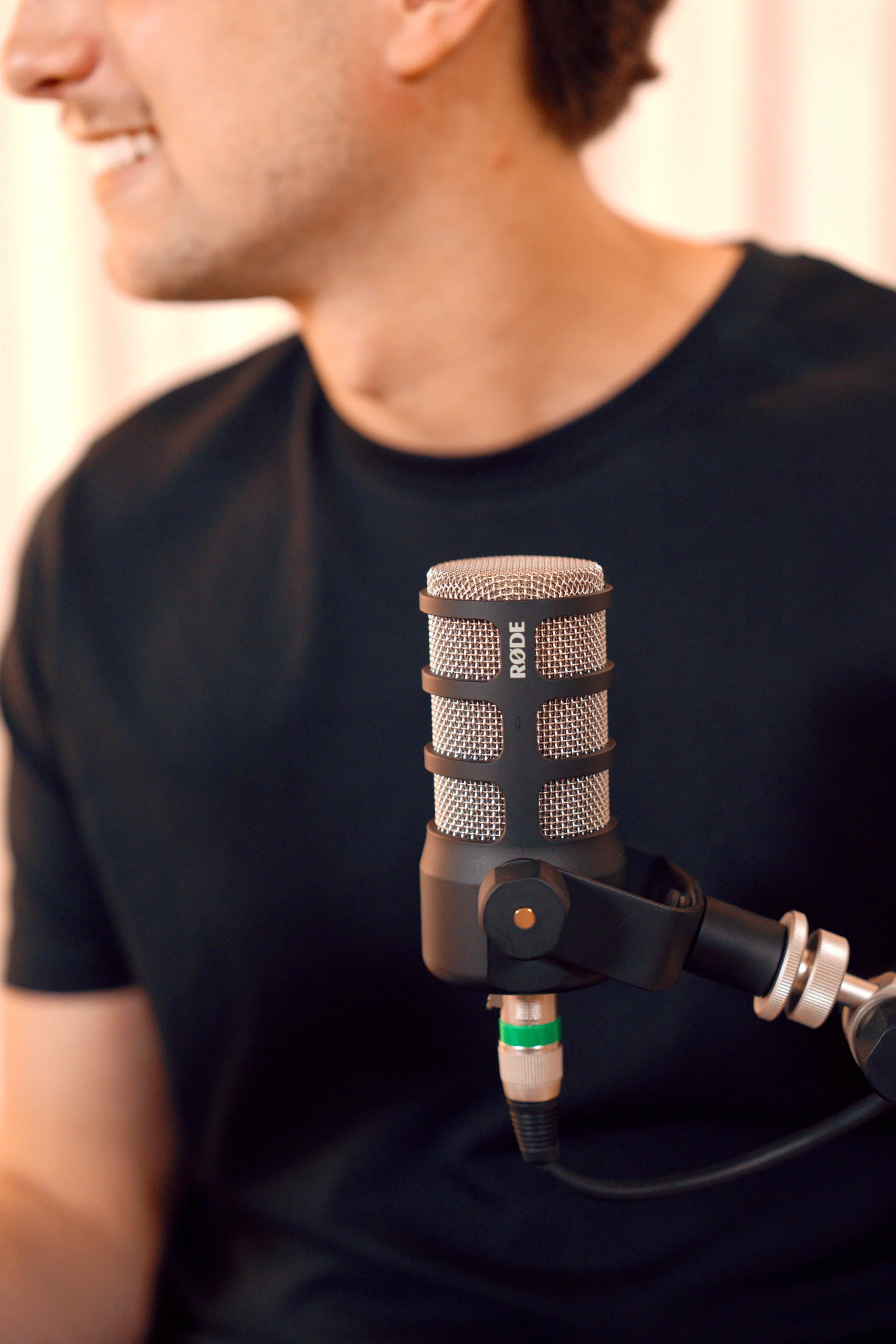
Audio-only podcast production runs $300 to $1,000 per episode at a competent freelance level and $1,500 to $4,000 for a polished branded series from a studio. DIY production typically takes four to eight hours per episode. The budget is relatively predictable once you establish a format, which makes podcasting an attractive option for B2B brands that need consistent content without unpredictable post-production bills.
Short-form video, meaning 15 to 60 seconds, runs $400 to $3,000 depending on whether you’re editing existing footage or producing from scratch. Long-form video, such as a 10- to 30-minute YouTube episode or thought leadership piece, commonly runs $2,000 to $8,000 for well-produced content and up to $15,000 or more for multi-camera professional productions. The editing hours alone for a 20-minute video can reach 21 to 40 hours when scripting, graphics, and revisions are included.
The per-episode cost drops significantly when you batch-record. Recording four podcast episodes in one half-day studio session spreads the setup cost and cuts turnaround time. The same logic applies to video. Brands that plan their content calendar around batch production consistently get a lower cost-per-piece and a more predictable publishing cadence, which is exactly the model StreamBox was built around.
Engagement Depth: The Attention Gap That Changes Your ROI
Is Podcasting Better Than Video for B2B Engagement?
Podcast episodes consistently achieve 60 to 85% completion rates. Short-form video on TikTok, Reels, and YouTube Shorts sits at roughly 12 to 20%. Long-form YouTube video falls in between, closer to 19 minutes of average watch time. Video podcasts, which combine audio depth with visual context, perform closer to podcast norms: around 61% retention and 28 minutes of average watch time. The gap between a podcast listen and a TikTok scroll is not marginal.
In B2B marketing, the goal is rarely mass awareness. It’s sustained trust-building with a defined audience. Depth of attention drives the kind of familiarity that shortens sales cycles. A decision-maker who regularly listens to long-form episodes of your show develops a working knowledge of your thinking, your team, and your market positioning in a way that a short video view simply cannot replicate. Impressions count; qualified attention converts. That sustained familiarity tends to accelerate pipeline velocity in ways that top-of-funnel metrics don’t fully capture.
Lead Generation and B2B Pipeline: Where the Real ROI Shows Up
Podcast Marketing ROI: What B2B Case Studies Show
B2B podcast programs have demonstrated measurable pipeline impact across multiple industries. In one case, a cybersecurity firm targeting Fortune 500 CISOs generated $2.3 million in attributed pipeline over nine months by inviting executives from target accounts as guests. In another, an enterprise fintech podcast targeting CFOs closed four contracts worth $1.2 million in combined annual contract value, with podcast-sourced deals closing in 87 days versus the company’s standard 180-day cycle. The guest strategy, inviting prospects rather than broadcasting at strangers, is what makes B2B podcasting a sales tool rather than a brand exercise. (Note: these figures represent patterns from documented case studies; specific company names have been withheld.)
Video closes a different gap. B2B clients who added video to their content mix have reported meaningful increases in average deal size, because prospects could evaluate the team before a sales conversation even began. Video podcast benchmarks from production and agency data show demo-request conversion rates of 8 to 12%, versus 2 to 3% for audio-only, though results vary by industry and audience. When your product needs to be demonstrated, your team needs to be visible, or your sales motion depends on perceived credibility, video carries more weight at the bottom of the funnel.
On monetization, podcast CPMs in B2B-relevant niches like finance, technology, and professional services typically run $50 to $100 per thousand downloads for host-read placements, with the upper end reflecting premium niche positioning. YouTube long-form RPMs run $3 to $15 per thousand views depending on niche. At a $35 to $70 effective CPM, a B2B podcast generating 20,000 downloads per episode can produce $700 to $1,400 per ad placement; a YouTube channel needs substantially higher view volume to match that on ad revenue alone. For B2B brands, direct sponsorships and pipeline attribution outperform platform ad revenue as the primary monetization metric.
Platform Fit: Matching Format to Your B2B Content Goals
Choose podcasting as your primary format when your sales cycle is long, your audience is senior and time-limited, and relationship-building is the core mechanism. If your strategy involves inviting potential clients or referral partners as guests, audio works better logistically and scales more affordably. Niche B2B audiences, particularly in professional services, finance, and enterprise technology, have established podcast listening habits and high CPM value.
Video earns its place when your product or service benefits from visual demonstration, when your brand is building its reputation from scratch and needs faces and personalities to accelerate trust, or when you’re targeting a younger B2B audience that spends more time on YouTube and LinkedIn video than on podcast apps. Video also produces more reusable assets: clips, thumbnails, ads, and landing-page content that audio simply cannot supply.
The honest answer is that most B2B brands need both formats, but they rarely need to produce both independently. The smarter move is to choose one primary production format and extract the other from it. That workflow is what separates brands producing content efficiently from those burning budget on parallel production tracks.
Why the Best B2B Brands Skip the Choice Entirely
The cleanest answer to the podcast vs video marketing question is this: record video, publish audio. A single 40-minute video podcast session produces a full audio episode for Spotify and Apple, a long-form YouTube video, four to six vertical clips for LinkedIn and Instagram, a written transcript for SEO, and a set of quote graphics for social. One production effort becomes seven to ten pieces of content across different platforms and formats. The brands doing this consistently are not producing more content; they are producing smarter.
The repurposing workflow that makes this practical follows a clear sequence: generate a transcript first, use it to identify three to five strong clip moments, edit a master clip before creating platform-specific exports, write native post copy for each channel, and publish on a staggered two-to-four-week calendar rather than releasing everything on day one. That structure keeps your team from reinventing the wheel each week and gives each piece of content time to perform before the next one arrives.
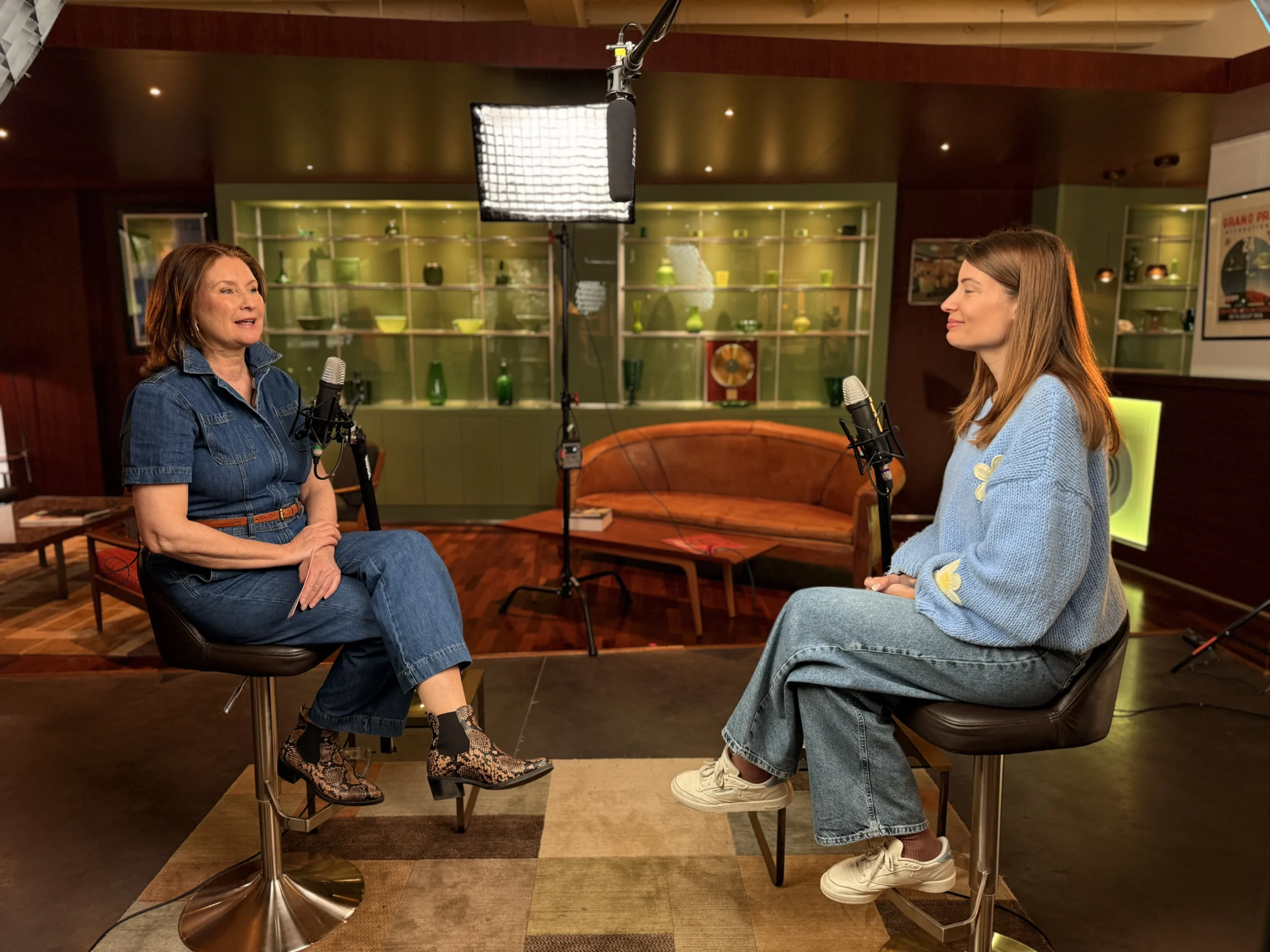
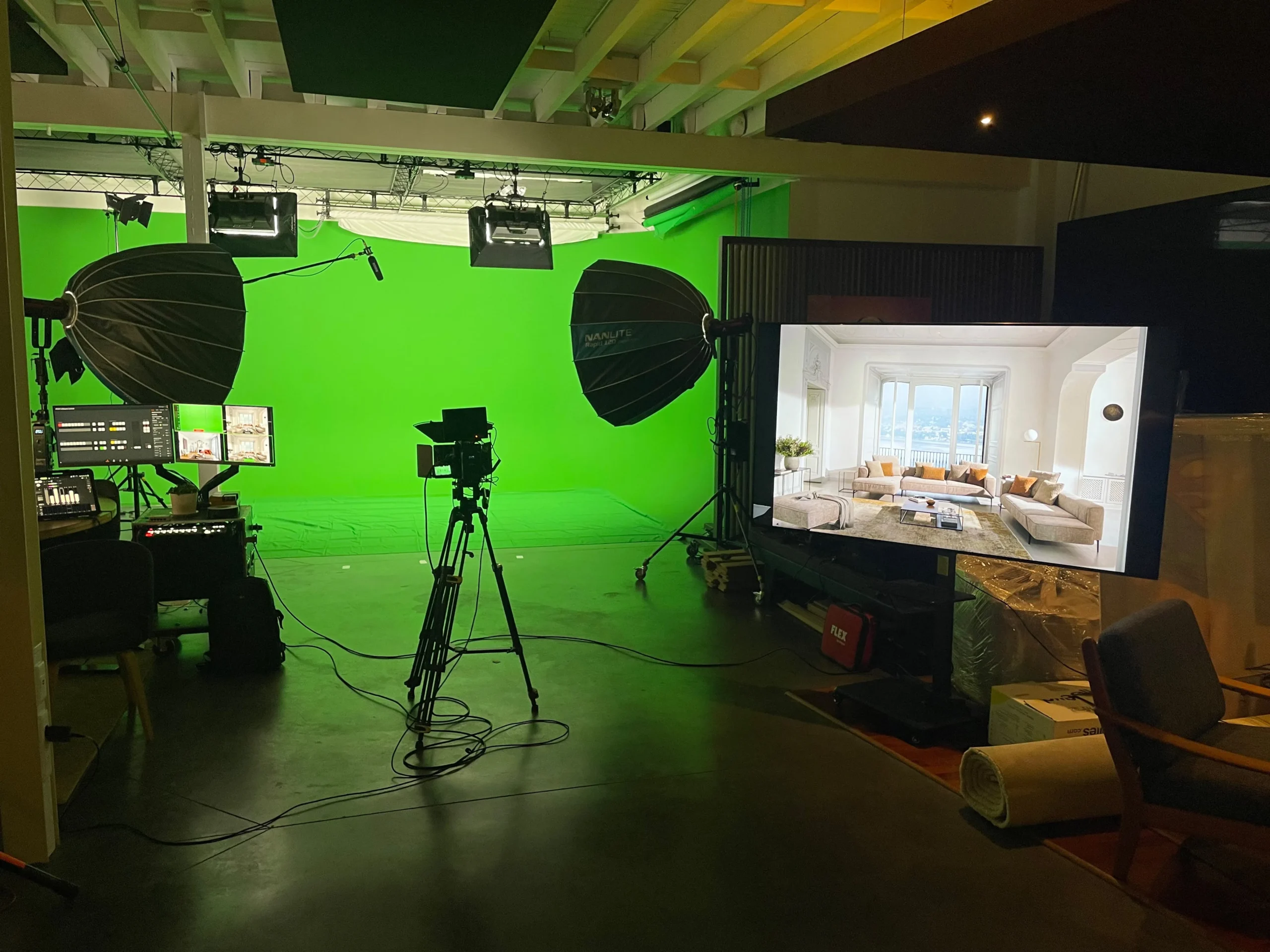
The reason most B2B brands don’t execute this model isn’t strategy. It’s coordination. Managing a videographer, an audio engineer, a video editor, a social content team, and a distribution strategist across multiple vendors is operationally expensive and time-consuming. StreamBox is built to handle the entire production chain, concept, recording, post-production across both audio and video formats, platform-specific formatting, SEO optimization, and multi-channel distribution, under one roof. Clients record once and leave with a fully managed content system. For B2B brands that want the reach of video and the depth of podcasting without managing a small production company, that single point of contact is where the math finally works.
Making the Decision That Fits Your Goals
Podcast vs video marketing is not a binary decision for B2B brands. Podcasting builds the depth, trust, and executive relationships that long sales cycles demand. Video builds credibility, drives discovery, and produces versatile assets across platforms. The brands seeing the strongest content ROI in 2026 are not choosing between them; they are producing both from a single session and distributing strategically.
Start with your primary objective: pipeline relationships, brand awareness, or conversion. Let that goal drive your format priority. Then build a production workflow that extracts maximum value from every hour you spend in front of a microphone or camera.
Frequently Asked Questions: Podcast vs Video Marketing for B2B
Is podcast vs video marketing really a choice B2B brands need to make?
Not necessarily. Most B2B brands benefit from both formats. The practical question is which one to treat as your primary production format and which to extract from it through repurposing. Recording video and publishing the audio is the most cost-efficient path to running both simultaneously.
Which format delivers better podcast marketing ROI for B2B?
It depends on your sales motion. Podcasting tends to outperform on pipeline velocity and relationship-building, particularly when prospects are invited as guests. Video outperforms on top-of-funnel discovery, visual credibility, and asset reuse. Combined, they address different stages of the B2B buyer journey.
How does podcast vs. video marketing compare for lead generation?
Video podcast formats show higher demo-request conversion rates in available agency benchmark data, while audio-only podcasting excels at shortening sales cycles through sustained familiarity. The right answer depends on your product complexity, audience seniority, and sales cycle length.
If you’re weighing podcast vs video marketing for your B2B brand and aren’t sure where to start, reach out to the team at StreamBox. We’ll map out the right format strategy for your goals, your audience, and your budget, and build a production system that keeps delivering long after the first episode goes live.