The internal newsletter that no one reads. The all-hands meeting that everyone forgets about the next day. The 15-page document on the new strategy that sits unused in people’s inboxes. If any of these situations sound familiar, you’re not alone—and the internal corporate podcast is a direct solution to these problems.
Not because it’s new or high-tech, but because it adapts to your employees’ actual habits. People listen while commuting, during lunch, or between meetings. There are no time constraints, no need to read, and it often commands far more attention than an email does.
What is a corporate podcast?
An internal corporate podcast is an audio or audio-video program distributed exclusively to an organization’s employees. It can be hosted on a private platform, distributed via a secure link, or integrated into your intranet. Unlike public podcasts, it is not indexed on Spotify or Apple Podcasts.
The content can take many different forms: a monthly message from the CEO, a series on the company’s various roles, a Q&A session with senior management, an analysis of quarterly results, or even a series of episodes dedicated to onboarding new hires. What they have in common: a short format, flexible distribution, and a more direct tone than that of traditional corporate communications.
To learn more about the available formats, LinkedIn explains how internal podcasts fit into an overall HR strategy and outlines the best practices adopted by large companies.
Why Audio Works Better Than You Think
Internal communication has long suffered from a lack of attention. Employees receive dozens of messages a day and naturally develop the habit of filtering them. Anything that doesn’t seem urgent or personal gets overlooked.
The internal company podcast addresses this issue in two ways. First, it fits into moments when employees are available but not in front of a screen—which eliminates competition with other notifications. Second, the human voice creates an emotional connection that text simply cannot replicate. When the CEO speaks directly to his teams, the message carries far more weight than it would in a written statement.
The 5 Practical Uses That Add the Most Value
1. The Regular Management Message
Once a month, for 10 to 15 minutes. The CEO or a member of the executive committee shares their priorities, discusses company news, and answers questions raised by the teams. This is the simplest format to produce and often the one that gets the most attention.
2. The Onboarding Series
Welcome your new employees with a series of 6 to 8 episodes covering the company’s history, culture, processes, and teams. It’s far more engaging than a welcome booklet and available anytime on their phones. This format also fits perfectly into an employer branding strategy in Belgium.
3. Strategic Analysis
After a general meeting, an acquisition, a product launch, or a reorganization, a 20-minute episode explains what happened, why, and how it affects the teams. The podcast format allows for a level of detail that would be impossible to convey in a 10-line email.
4. Showcasing Internal Expertise
Every month, an employee shares their expertise on a topic relevant to the company. It’s rewarding for the presenter, helpful for their colleagues, and it fosters a culture of knowledge sharing.
5. The Cohesion Podcast for Remote Teams
For organizations with employees working remotely, on the road, or across multiple locations, an internal company podcast fosters a sense of belonging that other tools struggle to create.
How to Ensure Your Employees Are Really Listening
An internal podcast that doesn’t reach its audience is useless. Here are the simple principles that make all the difference.
Keep episodes short. Internally, 10 to 20 minutes is the ideal length—any longer, and the listen-through rate drops. Craft episode titles with the same care you’d use for important emails. Integrate the podcast into existing routines: mention it during team meetings, and share excerpts via your internal messaging system.
Above all, involve your employees as guests right from the very first episodes. An internal company podcast where people recognize their colleagues’ voices is a podcast they’ll listen to—and recommend.
How StreamBox Enhances Your Internal Communication
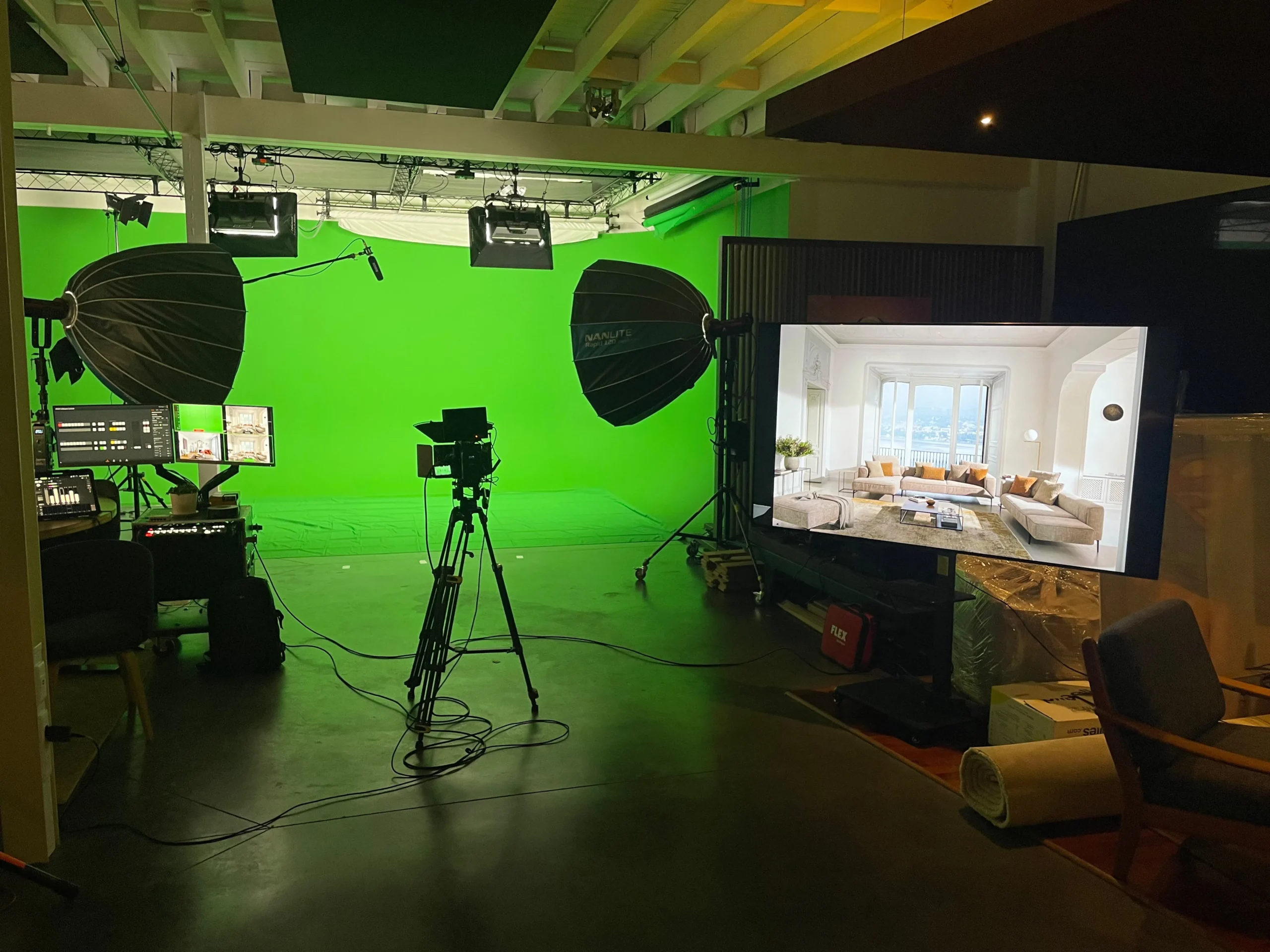
Producing a high-quality in-house podcast requires a basic framework: clean audio, a consistent format, and a recognizable sound identity from one episode to the next. That’s exactly what StreamBox guarantees, with its acoustically treated studios in Brussels, its team of sound engineers, and its ability to train your in-house hosts so they feel comfortable in front of the microphone.
We can produce your episodes in our studio in Rhode-Saint-Genèse, but we can also come to your location for shoots that require an on-site presence. We also handle distribution via a secure private platform if you’d like the content to remain strictly internal.
Still not sure which format to choose? Check out our comparison of the best podcast studios in Belgium to find the solution that best fits your needs.
Frequently Asked Questions About Corporate Podcasts
Do you need a large budget to launch an internal podcast?
No. An in-house corporate podcast can get started with a modest investment if you outsource production to a studio like StreamBox. You’ll avoid the costs of purchasing equipment, technical training, and post-production. StreamBox offers packages tailored to in-house production volumes, ranging from a single pilot episode to an annual contract. Check out our studio rates for a quick estimate.
How can you securely host an internal podcast?
There are several options available depending on your privacy requirements. Platforms like Spotify for Podcasters or Podbean offer restricted access via private links. For companies with stricter security requirements, in-house or intranet hosting solutions are available. StreamBox can advise you on choosing the platform best suited to your situation.
How long does it take to produce an episode?
With StreamBox, a 45-minute studio recording session typically results in a 15- to 20-minute episode after editing. Including pre-production and post-production, allow 3 to 5 business days from the session to the delivery of the final file.
Can an internal podcast also be used for training?
Yes, and that’s actually one of its most effective uses. Audio training modules in the form of short, on-demand podcasts have a much higher completion rate than traditional e-learning courses. This format works particularly well for behavioral training, leadership development, or regularly updating regulatory knowledge.
Launch your company’s internal podcast with StreamBox
Do you have an internal communications project you’d like to take to the next level? Contact us to set up an initial discussion, and let’s explore together how an internal corporate podcast can transform the way your organization communicates with one another.