Ilios Kotsou: can we fight our emotions? Insights from a psychology professor
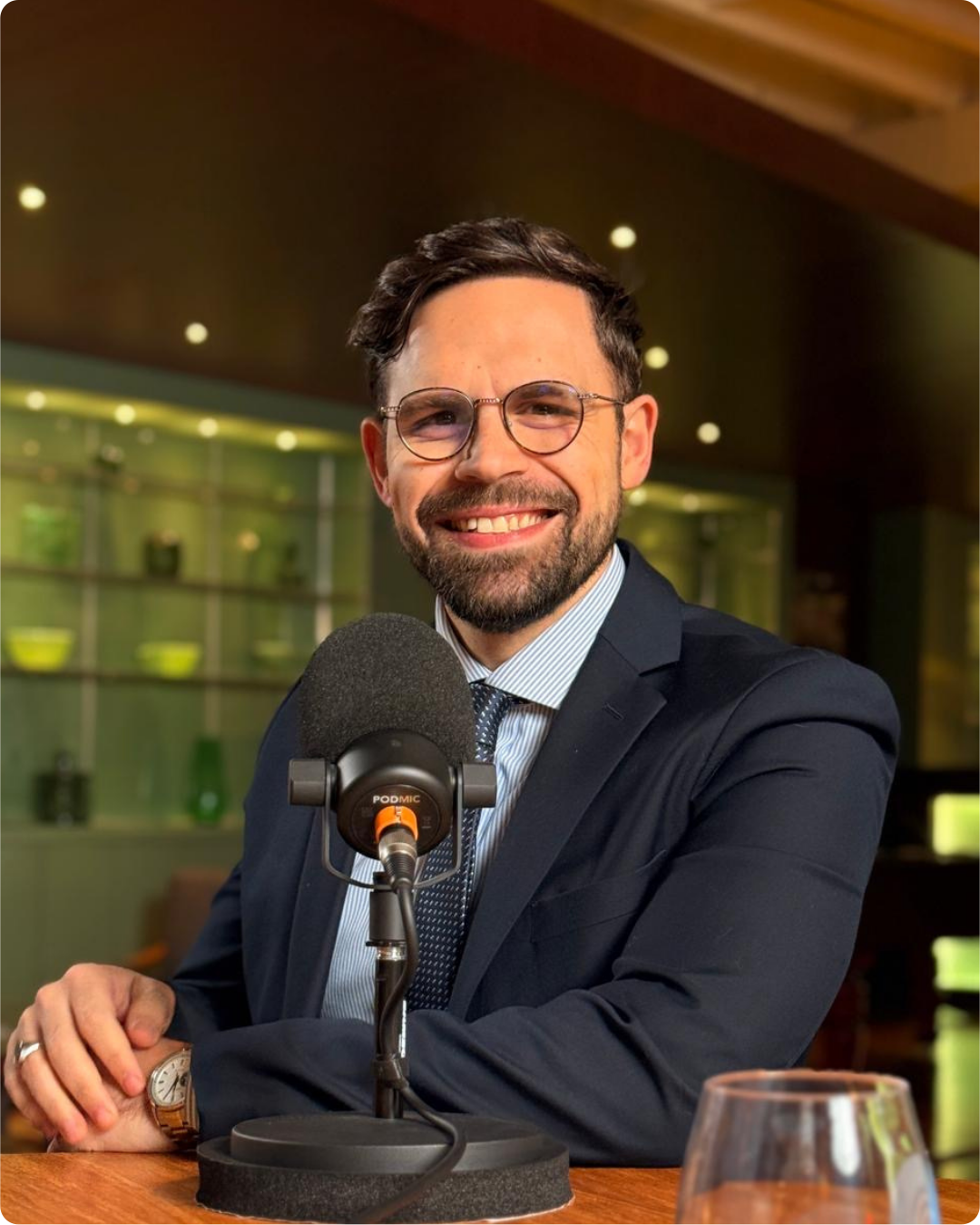
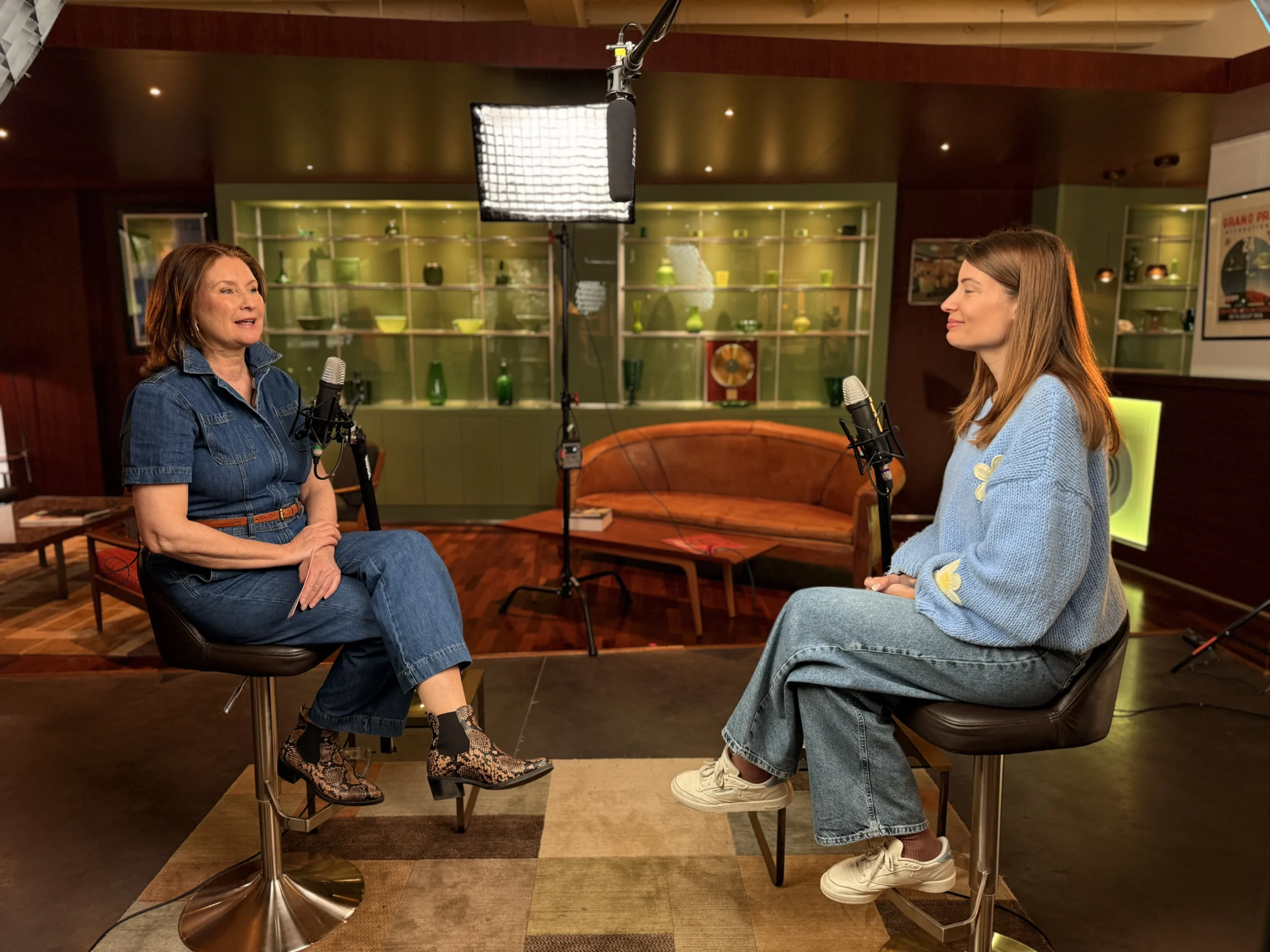
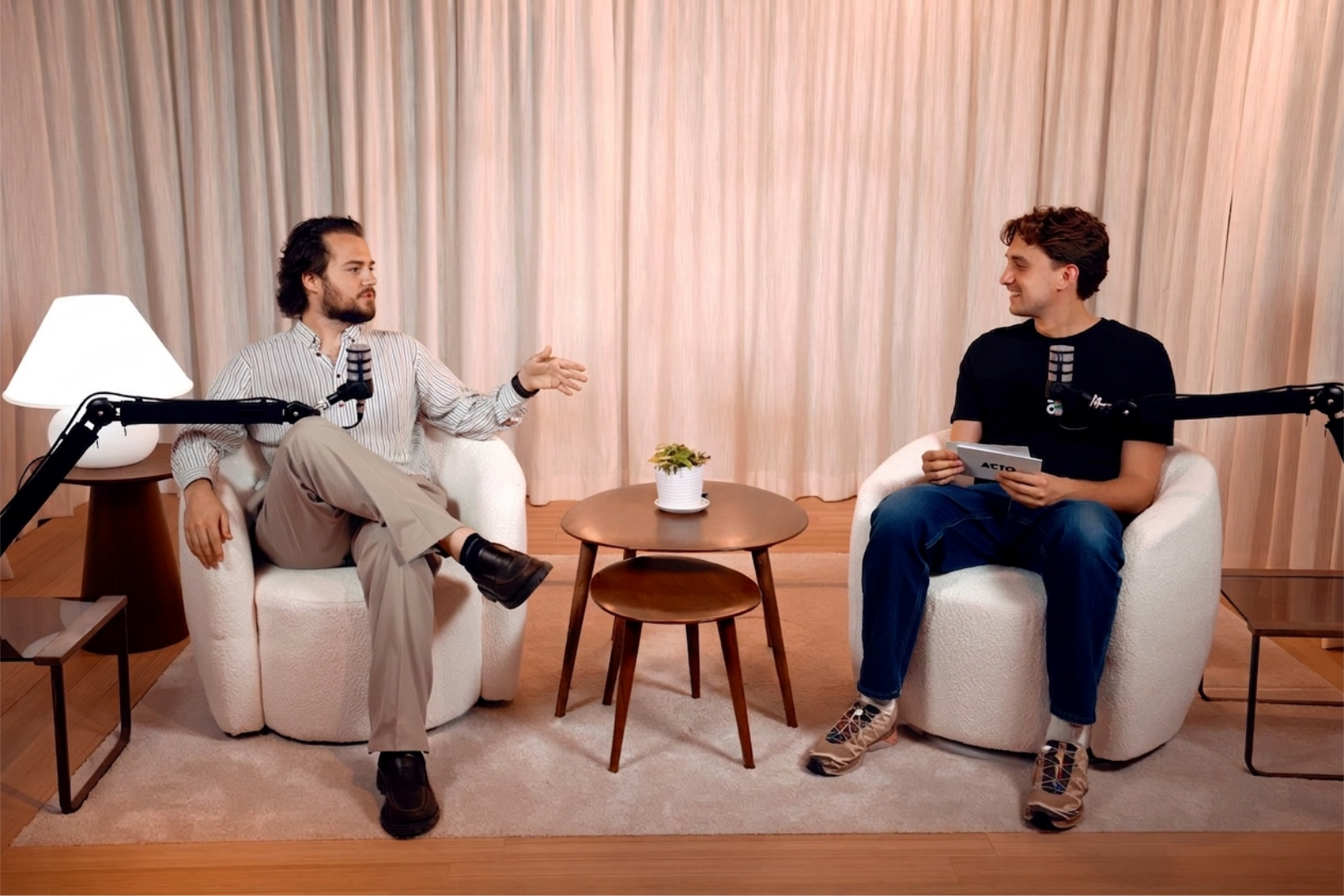
A doctor and professor of psychology specialising in emotions, author of La sagesse des petits riens and co-founder of the Emergences collective, Ilios Kotsou is Nina Wyns’s guest on KOPS. Together they explore what our emotions say about us, why negative experiences take up so much space, how to stop taking everything personally, and how to live more fully in the present. The episode is in French.
Emotions as road signs that set us in motion
For Ilios Kotsou, an emotion is first and foremost what sets us in motion. It works like an indicator: fear signals danger, sadness a loss, joy pushes us to move closer. An emotion changes our attention and memory, which explains why it is so hard to reason with someone who is afraid. He draws on the neurologist Antonio Damasio: emotions play out in the body, while feelings, which are more complex, play out in the mind.
He also shares his conviction that humans are good by nature, while being capable of the worst as well as the best depending on the context. He even mentions “pronoia”, the opposite of paranoia: the feeling that life and other people wish us well.
Neither suppress nor be swept away: let your emotions inform you
Nina, who describes herself as very sensitive, has often been told she should “manage” her emotions. Ilios Kotsou agrees the word is unfortunate. The problem is not the emotion, but identifying with it. Cutting yourself off from it would be just as risky: without the information emotions provide, we can neither make decisions nor connect with others.
“Overwhelmed by emotion, we are blinded. Cut off from emotion, we are blind.”
Ilios Kotsou
The hardest part, he says, is agreeing to feel what we feel. He cites research on tears: crying helps above all when we are with someone who listens without judging, and it takes time, an hour and a half on average. For highly sensitive people, he speaks of a potential with two sides: more painful moments, but also a quicker capacity for wonder, which has to be tamed.
Negativity bias: nurturing what goes well
On average we experience far more positive moments than negative ones, yet a single incident at the end of the day is enough to colour everything. This is negativity bias: our brain is like Velcro for the negative and Teflon for the positive, a legacy that helped our ancestors survive. For Ilios Kotsou, whatever we feed grows, and attention is food. The point is not to cut ourselves off from the world, but to cultivate what goes well, including in a relationship while things are good.
Not taking everything personally to ease our relationships
Nina admits she struggles not to soak up her partner’s bad mood. Taking things personally is natural, Ilios replies: it happens because the person matters. With his 12-year-old daughter it is easier, because he knows a hurtful word first expresses distress. Not taking things personally does not mean building armour, but understanding that what the other person says is more about them. It never rules out setting boundaries or taking some distance.
He stresses the importance of friends: in the darkest moments, a helping hand matters more than any technique. Books saved him too. And faced with a polarised world, he argues for a multiplicity of viewpoints, and for listening to what fear tells us about our values rather than letting it divide us.
Meditating, slowing down and savouring the journey
For him, meditating means cultivating presence: being fully there, within ourselves, with others and in nature. He sees meditation as a path of action and refuses to set the present against the future: we need a direction, but also to enjoy the walk. He describes mountain hikers: those who look after their companions have a wonderful adventure, even if the summit is lost in fog. Slowing down is not a goal in itself; it is what lets us travel better.
“There is no cure for life. We can only learn to live better with it.”
Ilios Kotsou
To close, he reminds us that Helen Keller’s story is also Anne Sullivan’s, without whom nothing would have been possible: a story of friendship before it is a story of resilience. And he quotes a forest ranger: you have to be able to plant the tree in whose shade you know you will never sit.
Key takeaways from the episode
- Emotions are useful information: not to be suppressed, nor to be ruled by.
- Welcoming an emotion takes time, and it is easier with someone who listens without judging.
- Our brain holds on to the negative: we need to consciously nurture what goes well.
- Not taking everything personally means understanding that others often speak about themselves, while keeping your boundaries.
- Friends, books and a variety of perspectives help us through dark times.
- Meditation is about cultivating presence, without setting action against savouring the journey.
Listen to KOPS
With KOPS, “Keep Our Planet Safe”, Nina Wyns hosts a podcast about reconnecting: taking care of yourself, others and the world around us.
More episodes of KOPS
 Victoire Becquart: life after cycling from Brussels to Togo, and the fears that remainOn KOPS, Victoire Becquart talks about coming home after 9,000 km by bike to Togo: everyday fears, social media and the confidence she gained.
 Letting go: why the need to control everything stops us from living in peaceNina Wyns opens up about her obsession with control and shares three ideas for turning the fear of an uncertain future into letting go…
 Maï Hua: leaving someone you love, loving yourself and relearning loveDocumentary maker Maï Hua talks love with Nina Wyns: four generations of women, the choice to leave someone you love, couples and learning to…
A StreamBox production
This podcast is recorded and produced by StreamBox, podcast studio and agency in Brussels.